
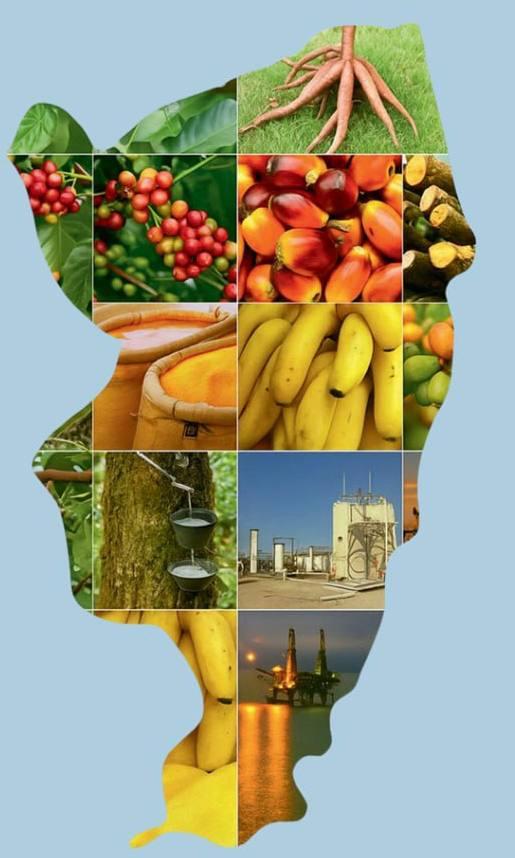
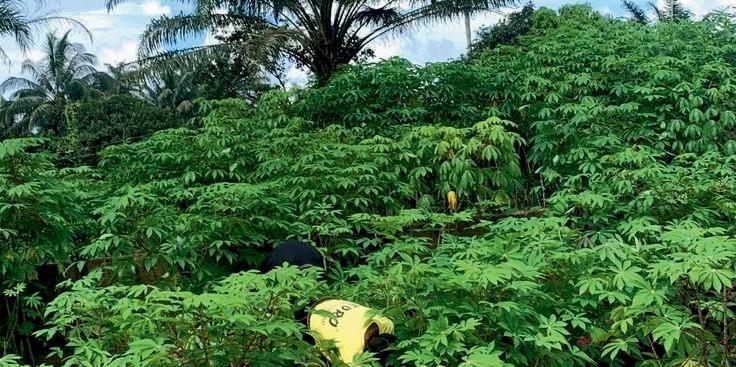
Anioma’s land is its strength. A region blessed with rich, loamy soil, well-distributed rainfall, and favorable agro-ecological conditions that make it one of Nigeria’s most agriculturally endowed areas. Agriculture is not only a way of life of the people but a proven engine of economic activity and food security.
The region produces an impressive variety of both food and economic crops. These include cassava, yam, maize, rice, oil palm, plantain, banana, citrus fruits, vegetables, and melon. All cultivated across thousands of hectares of arable land. In particular, the Ika and Aniocha areas have become notable hubs for oil palm cultivation and cassava processing. Ukwuani and Ndokwa regions are equally known for their fish farming and expansive rice fields. These outputs not only feed communities within and outside Anioma but also supply markets in major cities like Onitsha, Benin, Warri, and Port Harcourt.
The region also thrives in poultry, piggery, fisheries, and small-scale cattle rearing. Fish farming has grown significantly, especially in Ndokwa East and West, with the support of both public and private interventions. Traditional fishing practices along the Niger and other inland waterways have also modernized with improved techniques and hatcheries.
Agro-processing is emerging as a growth sector in Anioma. Small and medium-scale processing plants for cassava flour, palm oil, poultry feed, and rice milling are active in communities such as Agbor, Kwale, Ogwashi-Uku, and Owa.