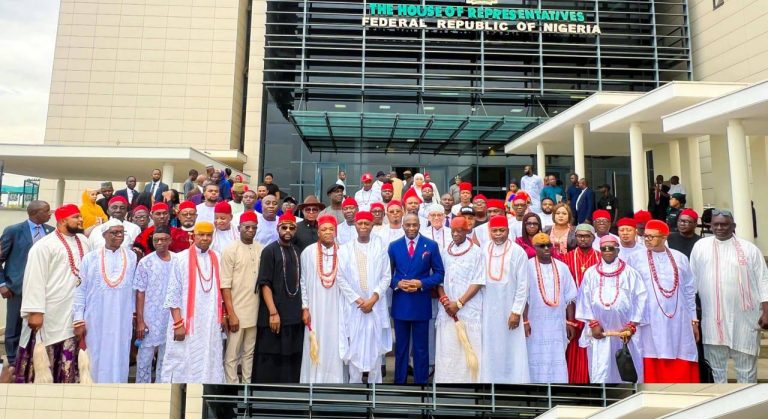
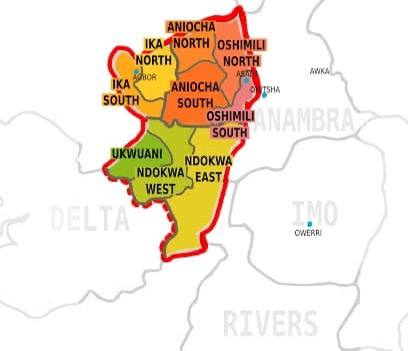
The International Society for Social Justice and Human Rights (ISSJHR) considers the ongoing national conversation on the creation of Anioma State as both timely and historically necessary for the consolidation of justice, equity, and national cohesion within the Federal Republic of Nigeria.
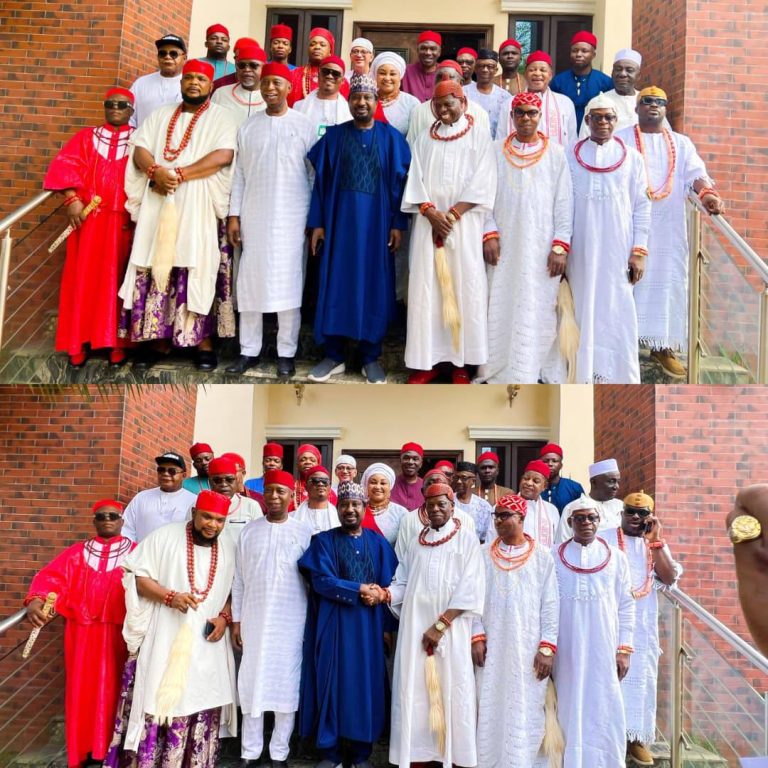
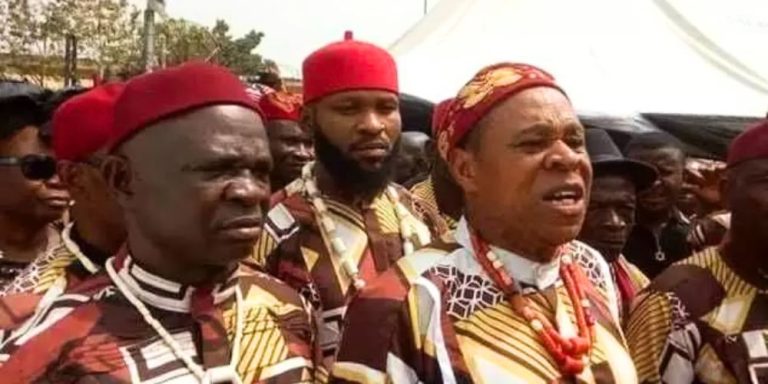
For decades, the Anioma people of Delta North have maintained a legitimate and constitutional agitation for the creation of a state that reflects their cultural identity, historical experience, and developmental aspirations. This demand is not new; it predates the present democratic dispensation and forms part of a broader national effort to correct structural imbalances within Nigeria’s federal arrangement.
The South-East geopolitical zone remains the only region in Nigeria with five states, while other zones have six or more. This imbalance has consistently generated feelings of political marginalization among Ndigbo and has contributed to the growing perception that equity has not been fully achieved within Nigeria’s political structure.
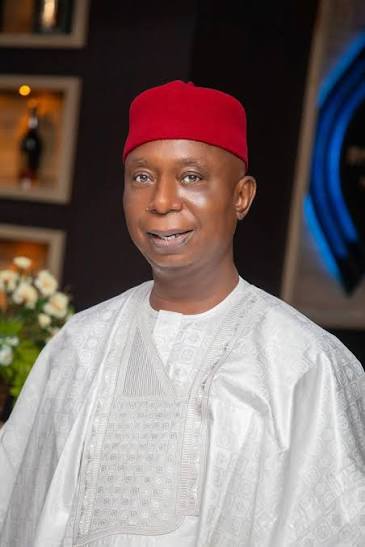
It is within this context that the consistent advocacy of Ned Nwoko for the creation of Anioma State must be viewed. Senator Nwoko has courageously maintained that the creation of Anioma State will serve as a catalyst to douse separatist agitations in the South-East and engender renewed love and confidence in the Nigerian nation.
The International Society for Social Justice and Human Rights commends Senator Ned Nwoko for his foresight, dexterity, and statesmanship in advancing this noble cause. His humility, calmness, and unwavering commitment in the face of the long and unforgiving delay in the realization of Anioma State reflect a rare level of political maturity and dedication to national justice.
The identity of the Anioma people is not in dispute. Their linguistic, cultural, and historical affinity with Ala Igbo forms an integral part of the broader historical narrative of Nigeria. The Anioma people have always been active participants in the nation-building process.
Indeed, history records that distinguished sons of Anioma played significant roles in Nigeria’s struggle for independence. Among them was Chief Dennis Osadebay, a prominent nationalist from Asaba who contributed immensely to the anti-colonial movement through his leadership within the National Council of Nigeria and the Cameroons. His intellectual activism, political courage, and dedication to the cause of self-governance helped shape Nigeria’s path to independence. It is therefore historically consistent and morally justified that the same people who contributed to the birth of Nigeria should today seek constitutional recognition through the creation of Anioma State.
The establishment of Anioma State would produce several far-reaching national benefits: It would correct the geopolitical imbalance affecting the South-East region. It would deepen administrative efficiency and bring governance closer to the people of Delta North. It would stimulate economic development through the creation of new institutions and infrastructure. It would strengthen national unity by addressing legitimate grievances through democratic and constitutional processes. Nigeria’s history, particularly the painful lessons of the Nigerian Civil War, reminds us that unresolved grievances can weaken the fabric of national unity. Sustainable peace and national loyalty can only thrive where justice is visible and fairness is institutionalized.
The International Society for Social Justice and Human Rights, therefore, calls on the National Assembly of Nigeria, relevant constitutional authorities, and all political stakeholders across the South-East to align with Senator Ned Nwoko in this noble and historic demand for equity and justice within Nigeria’s political space.
Anioma State creation should not be viewed as a sectional concession but as a national investment in justice, stability, and inclusive development. Nations grow stronger when they demonstrate the courage to correct structural imbalances and recognize the legitimate aspirations of their people. Nigeria must seize this opportunity to reaffirm that justice remains the foundation of its unity.
Signed:
Dr. Omenazu Jackson
Chancellor, International Society for Social Justice and Human Rights (ISSJHR)
“Social justice for all humanity. The web of humanity is an inseparable basket bonded in mutual destiny. Only love can sustain it. Absence of love makes the earth a broken space that renders the world hopelessly uninhabitable through inequality and unjust behavior.”