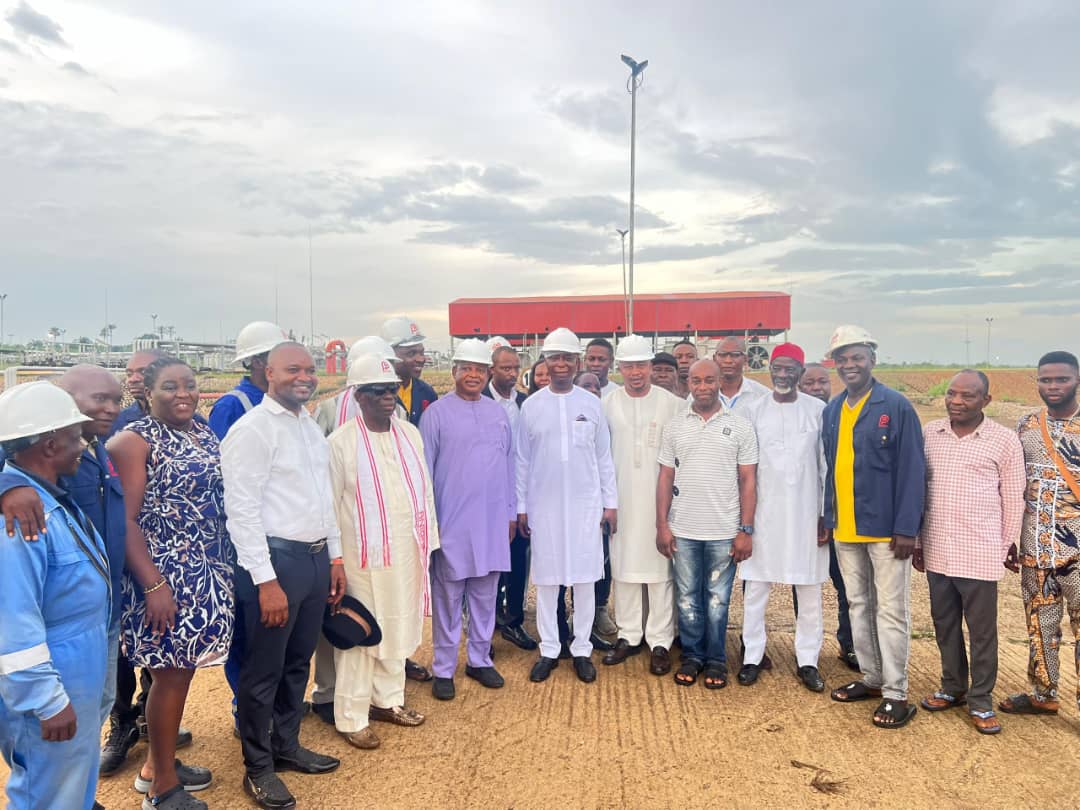
Anioma is endowed with vast deposits of crude oil and natural gas, making it one of the most energy-rich regions in Nigeria. These reserves are currently being explored and exploited by both international and indigenous oil companies operating under various Oil Mining Leases (OMLs). This sector represents one of the strongest pillars of Anioma’s economic viability.
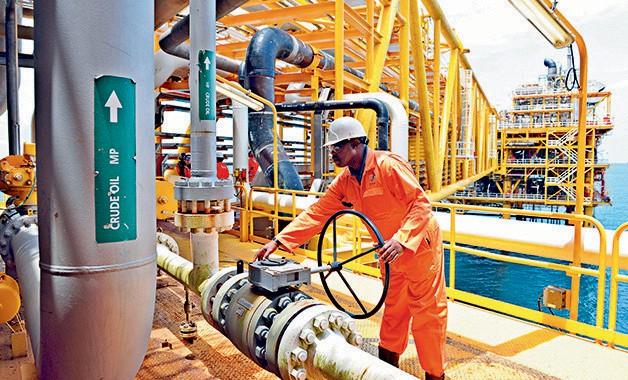
A major highlight is the Okpai Field, located under OML 60. This field is operated by the Nigerian Agip Oil Company (NAOC) in a joint venture with the Nigerian National Petroleum Company Limited (NNPC) and Oando Energy. The Okpai Field alone consists of about seven productive wells yielding approximately 3,000 barrels of oil per day (bopd) and over 6.4 billion standard cubic feet (bscf) of gas annually. Closely associated with this is the Ashaka (also called Asahaka) Field, which produces about 6,700 bopd and 1.7 bscf of gas, also under NAOC’s management. The Kwale Field is another strong contributor, with 13 wells producing 4,900 bopd and 42 bscf of gas per year. Beneku Field, also operated by NAOC, yields roughly 2,700 bopd and 0.8 bscf of gas annually, while Umuolu Field adds another 2,200 bopd to the region’s production profile. Anioma is also home to significant indigenous participation in the oil and gas sector. The Umusadege Field, operated by Midwestern Oil and Gas in partnership with Mart Resources (Canada) and Suntrust Petroleum, produces over 20,000 bopd, making it one of the most productive onshore fields managed by an indigenous company. Sterling Oil Exploration and Energy Production Company (SEEPCO) operates the Okwuibome and Anieze fields, contributing around 12,000 bopd to the region’s output. Pillar Oil manages the Igbuku and UmuSeti fields, with production of about 4,500 bopd. The Ebendo Field, jointly operated by Energia and Oando, delivers about 6,500 bopd, while the Egbaoma Field, operated by Platform Petroleum, founded by Austine Avuru, produces over 3,000 bopd and holds gas reserves exceeding 320 bscf. These figures affirm Anioma’s strategic relevance not only in Nigeria’s energy market but also in the wider context of national economic planning.
In addition to upstream exploration and production, Anioma plays a critical role in Nigeria’s power generation landscape. The Okpai Independent Power Plant (IPP), one of the first and largest gas f ired power stations in the country, was commissioned in April 2005 with an initial capacity of 480 megawatts (MW). Operated by NAOC in collaboration with NNPC, ConocoPhillips, and EniPower, and constructed by Saipem, the plant has since undergone expansion. The second phase, known as Okpai II, has brought the total installed capacity to approximately 930 MW, with plans to further increase output to 980 MW once federal intervention completes the remaining works. Although the Okpai II expansion reached over 90% completion, project delays have sparked legislative attention, including interventions by both the House of Representatives and the Nigerian Senate.
The Factual Demographics of Anioma’s Oil and Gas Production and Mineral Resources
Anioma land is known for its rich mineral deposits, particularly crude oil and natural gas. In fact, Anioma is one of Nigeria’s top oil-producing Senatorial district, accounting for around 10-15% of the country’s oil production. 7 out of the 9 LGAs in Anioma are oil producing. Specifically, Delta State generates an estimated ₦66 billion in annual oil revenue, and Anioma alone contributes 40% towards that revenue. Anioma can boast of 9 modular refineries, 5 huge gas reserves, the Okpai power plant inclusive, and we are a part of the NDDC.
Oil and gas companies operating in Anioma land include: Midwestern Oil, Sterling Energy Exploration and Production Company, Pillar Oil Limited
Chorus Energy, Platform Petroleum Limited, Pan Ocean Oil Cooperation, Oando
Energia Limited, Ashtavinayak Hydrocarbon, Opac Refinery, PowerGas Ebedei Limited, NewCross Petroleum Limited
Notable Oil Producing Communities and their Local Government Areas in Delta North Senatorial District
1. OKPAI – Okpai is a notable oil-producing community located in Ndokwa East—Delta State. It is home to the Okpai Power Plant, one of the largest gas-fired power plants in Africa. The Okpai Power Plant, operated by the Nigerian Agip Oil Company (NAOC) now Oando Resources Limited, generates a significant amount of electricity for the country and plays a crucial role in Nigeria’s power sector.
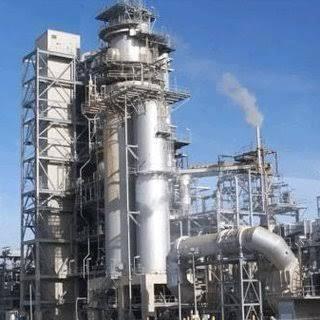
2. Kwale: Kwale, situated in the Ndokwa West Local Government Area of Delta State, is known for its substantial oil reserves. The community hosts oil and gas fields operated by several companies including: Midwestern Oil, Sterling Energy Exploration and Production Company, Pillar Oil Limited, Chorus Energy, Platform Petroleum Limited, Pan Ocean Oil Cooperation, Energia Limited, Nigerian Agip Oil Company now Oando Energy Resources, Ashtavinayak Hydrocarbon, Opac Refinery and PowerGas Ebedei Limited. The oil and gas activities in Kwale have been instrumental in fostering economic growth and development in the area.
Production Capacities and OMLs of Some Oil Companies Operating in Anioma Land
Midwestern Oil & Gas Company Limited, operating in Okpai, in Ndokwa East LGA.
Oil processing capacity: 40,000 barrels per day (bopd)
Gas processing capacity: 25 million standard cubic feet per day (mmscf)
Storage capacity: 110,000 bopd
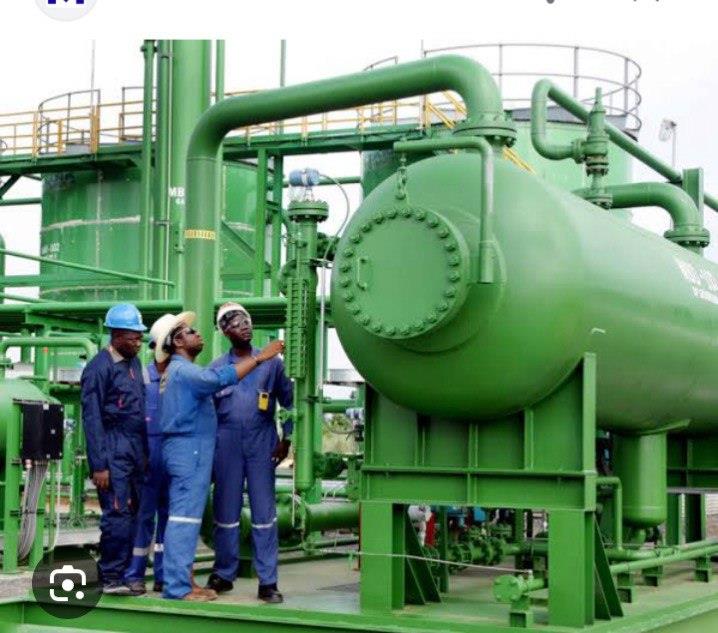
Nigerian Agip Oil Company (OML60) now Oando Energy Resources, operating in Kwale, in Ndokwa West, and also in Ndokwa East
Oil processing capacity: 40,000 barrels per day
Gas processing capacity: 25 million standard cubic feet per day
Storage capacity: 110,000 barrels of oil per day
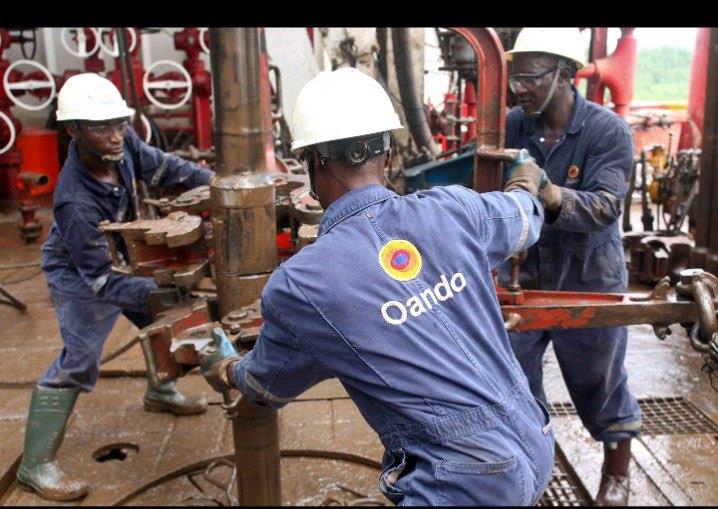
Platform Petroleum Limited (OML38) operate the Egbaoma field in Anioma land, with a joint partnership with Newcross Petroleum Limited; Operating in Ukwuani.
Oil processing capacity: 3000 barrels per day with plans to increase to 10,000 BPD by 2025.
Gas processing capacity is 30 million standard cubic feet per day (MMSCFD), with a planned increase to 60 MMSCFD by 2025 and expansion to 100 MMSCFD by 2029.
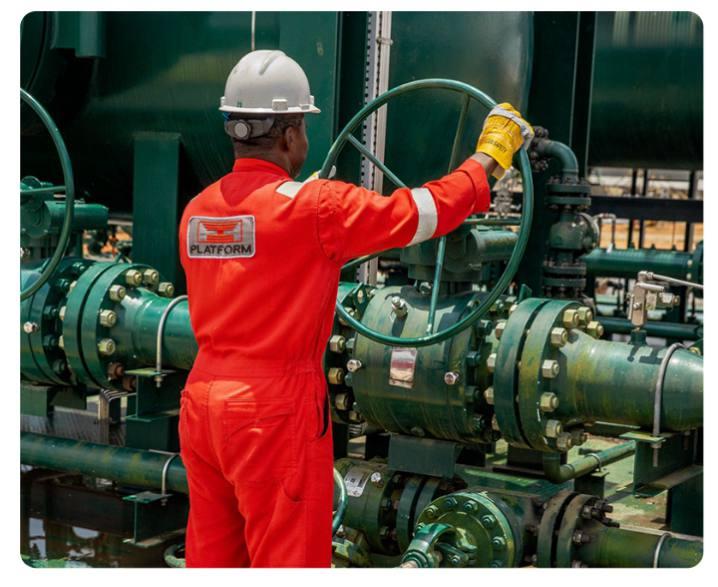
Sterling Energy Exploration Production Company (OML14), Ndokwa East.
Oil processing capacity: 20,000 bopd
Gas capacity: 1.2 trillion cubic feet of gas per day
Gas processing plant in Kwale, Delta State.
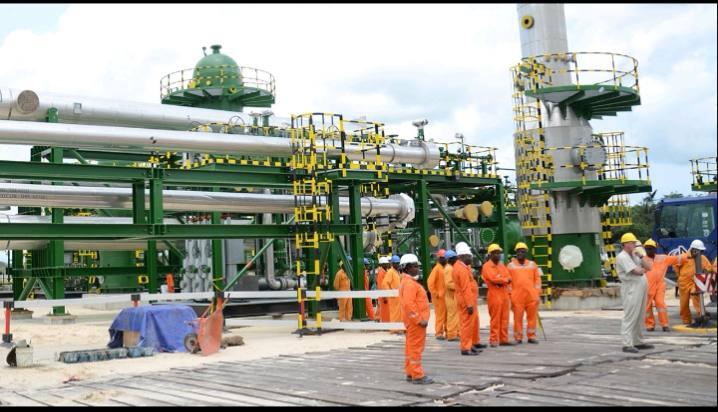
Pan Ocean Oil Cooperation (OML147), Ika North East
Oil: 4,000 bopd
Gas: 40 million standard cubic feet per day
Obi Ayima field: 13.16 million barrels recoverable oil, 206.89 bcf gas
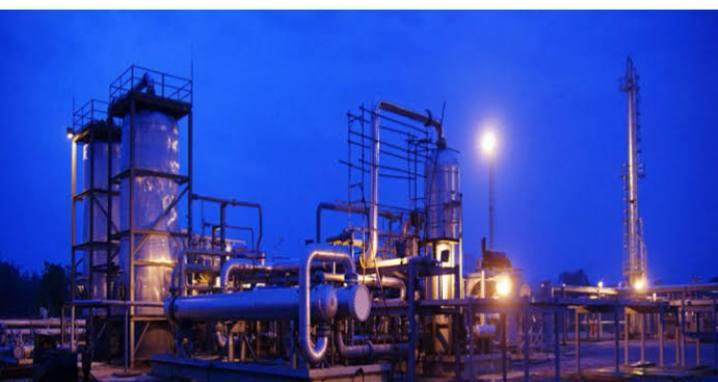
Pillar Oil Limited (OML56), Ndokwa West
Oil: 10,000 bopd
Gas: 25 million standard cubic feet per day
Developing midstream facility for 75–100 metric tons LPG/day
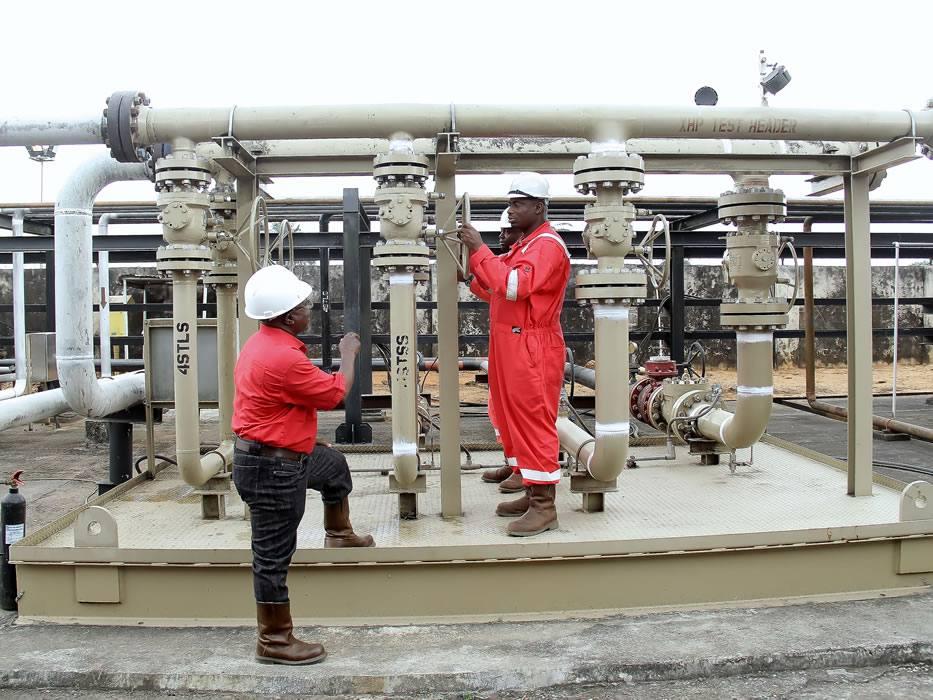
Energia Limited (OML56), Ndokwa West – Ebendo Field
Oil: 5,000 bopd
Gas: 25 million standard cubic feet/day
Produces NGL, Propane, LPG
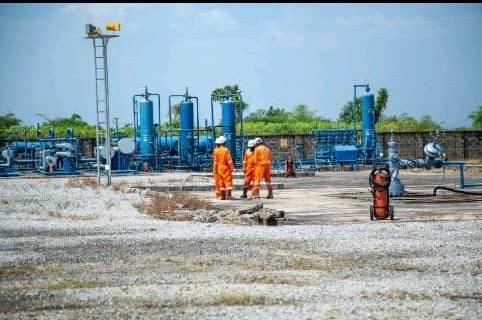
Chorus Energy Limited (OML56), Ndokwa East
Oil: 6,033.61 bopd, actual ~5,857.22 bopd
Gas: 16.5 million standard cubic feet/day, condensate 176.4 BPD
Ashtavinayak Hydrocarbon Limited, Ndokwa West
Gas: 120 million standard cubic feet/day
Sales gas exported, Propane & LPG production: 600 MTPD, planned expansion to 1 BCF/day, total liquid 2000 MTPD
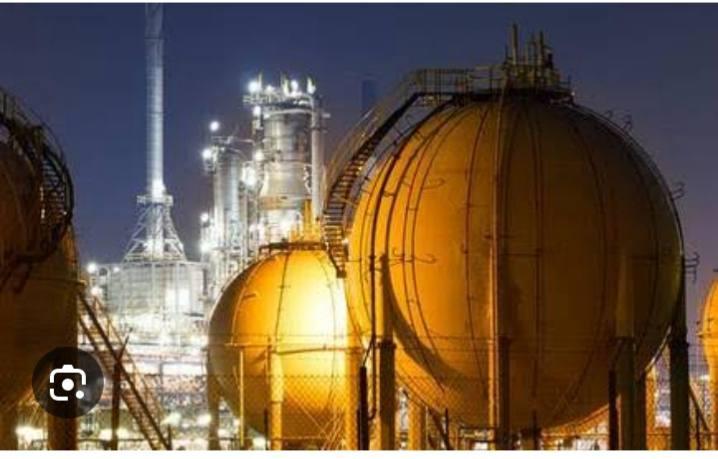
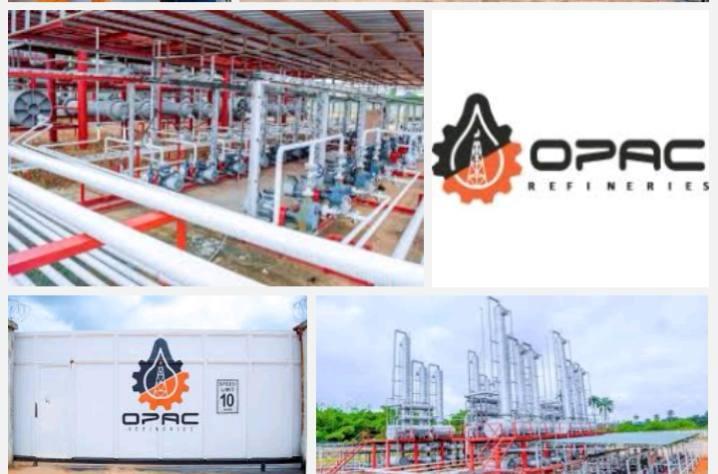
Opac Refinery, Ndokwa West
Oil: 10,000 bopd, expansion to 60,000 bopd
Produces Diesel, Kerosene, Fuel Oil, Naptha
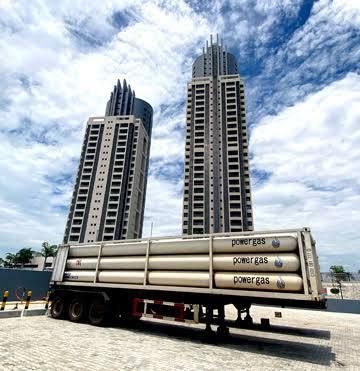
PowerGas Ebedei Limited, Ukwuani
Gas: 720,000 standard cubic meters/day, potential up to 2.5 million SCM across plants, monthly 10,000,000 SCM
Revenue Contributions
Delta State earned approximately ₦158 billion in Internally Generated Revenue (IGR) for 2024, a significant increase from ₦83 billion in 2023 — representing a growth rate of about 90.4%. The Delta State Bureau of Internal Revenue (BIR) was the top-performing agency, generating ₦133 billion, or 96% of the total IGR.
Combined Estimated Annual Revenue Contribution of Delta North (2024/2025):
- Gas and Power (Okpai) – ₦85–₦120 billion annually. This remains Delta North’s largest export revenue source, anchored by the Okpai Power Plant in Ndokwa East
- Asaba IGR (Administrative and Service Economy): ₦28–₦40 billion annually. Derived from PAYE taxes, real estate, hospitality, transportation, and market levies within the Asaba Capital Territory.
- Agriculture and Market Levies: ₦8–₦15 billion annually. Generated from agricultural produce sales, markets, and farming activities across the zone.
- Real Estate and Land Charges: ₦6–₦11 billion annually. Includes land allocation, development fees, and property registration charges.
Altogether, Delta North contributes approximately ₦130 billion to ₦185 billion every year to Delta State’s economy through gas and power exports, administrative and service taxation, agriculture, and real estate The data clearly demonstrates the economic viability of Anioma (Delta North) as a potential state, independent of only oil revenue. Its combination of power generation, trade connectivity, agricultural output, and administrative revenue provides a sustainable foundation for statehood and long-term growth.
Senator Representing Delta North, Distinguished Senator Ned Nwoko’s engagements with oil companies operating in Anioma
Senator Prince Ned Munir Nwoko’s familiarization visit to Ashtavinayak Hydrocarbon Limited — Ndokwa West LGA
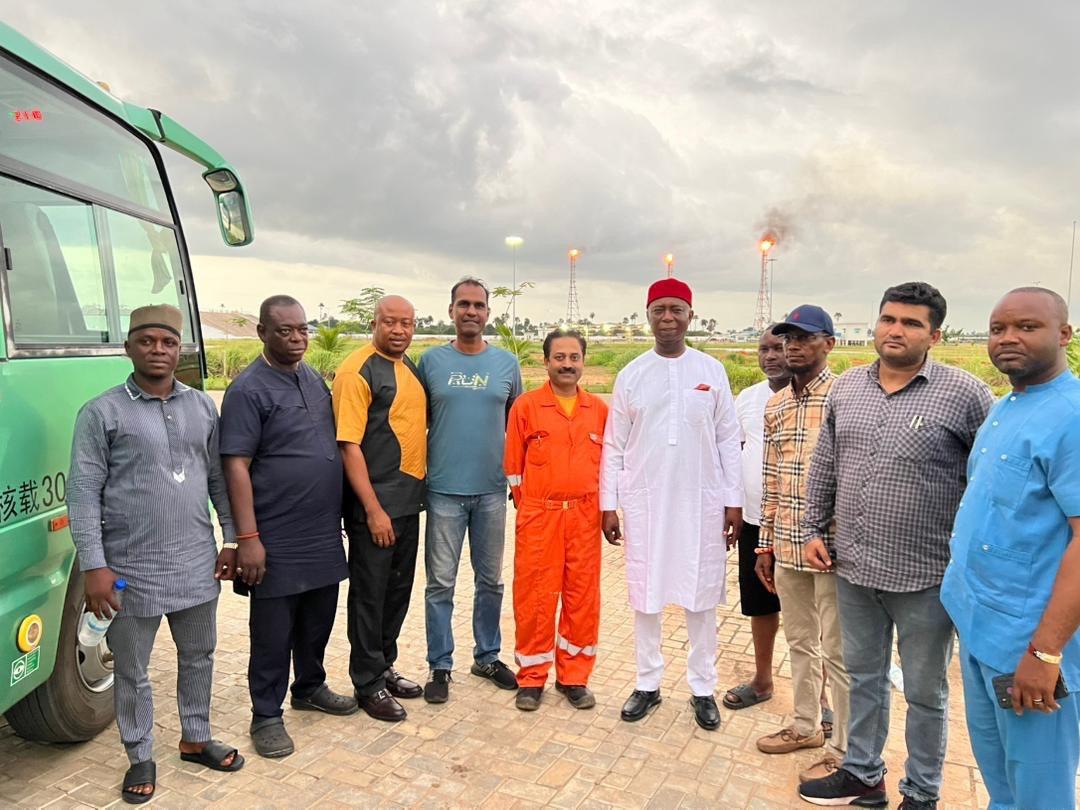
Senator Prince Ned Munir Nwoko’s familiarization visit to NAOC now Oando Energy Resources (OML60) Flow station — Ndokwa East LGA
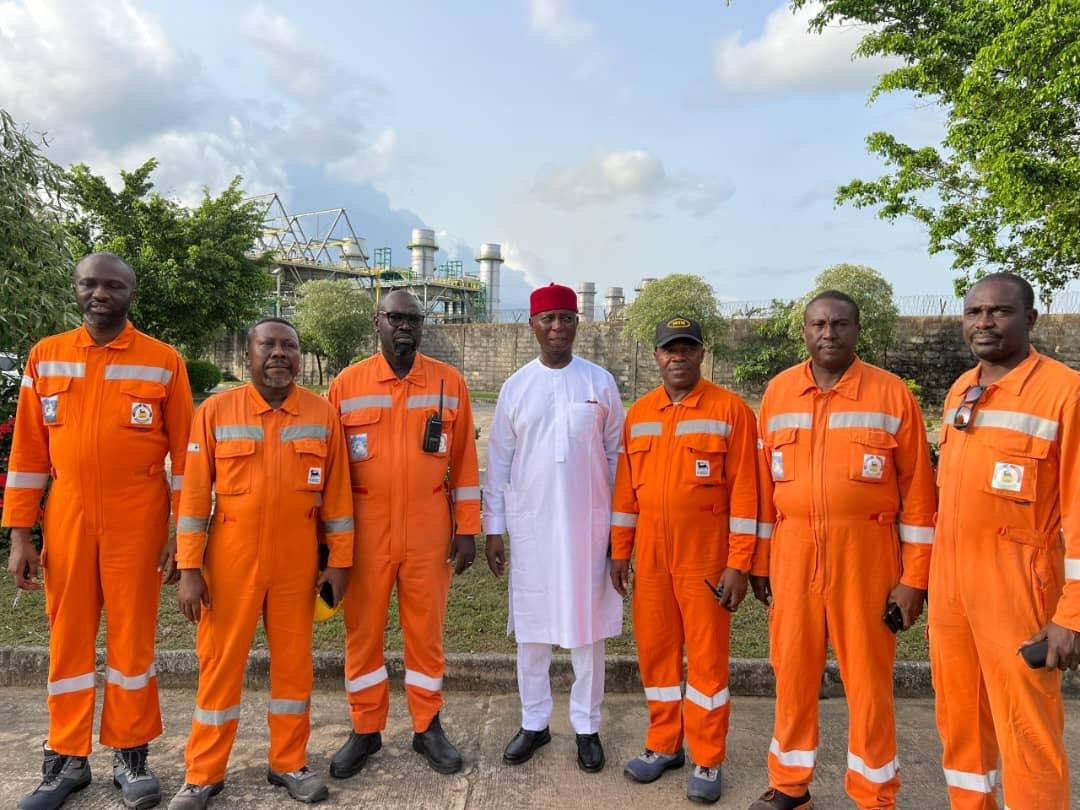
Senator Prince Ned Munir Nwoko familiarization visit to Pan Ocean Oil Cooperation OML 147—Owa Alindima with staff
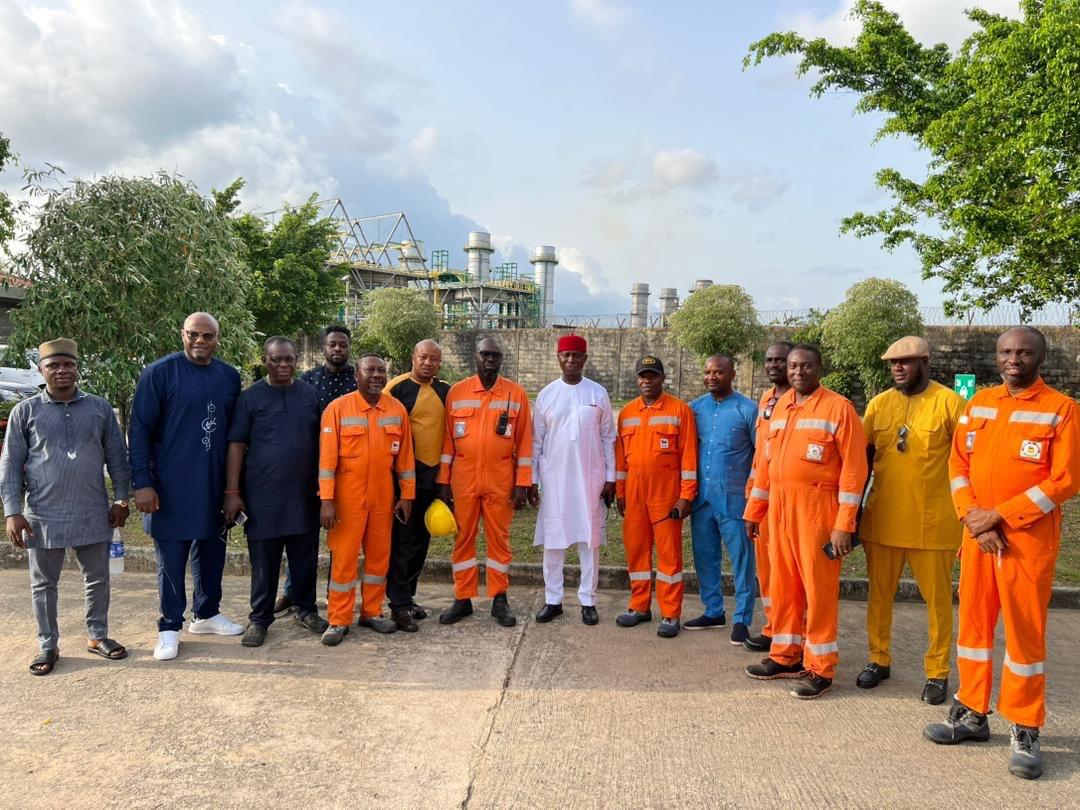
Senator Prince Ned Munir Nwoko’s familiarization visit to Opac Refinery — Ndokwa West LGA
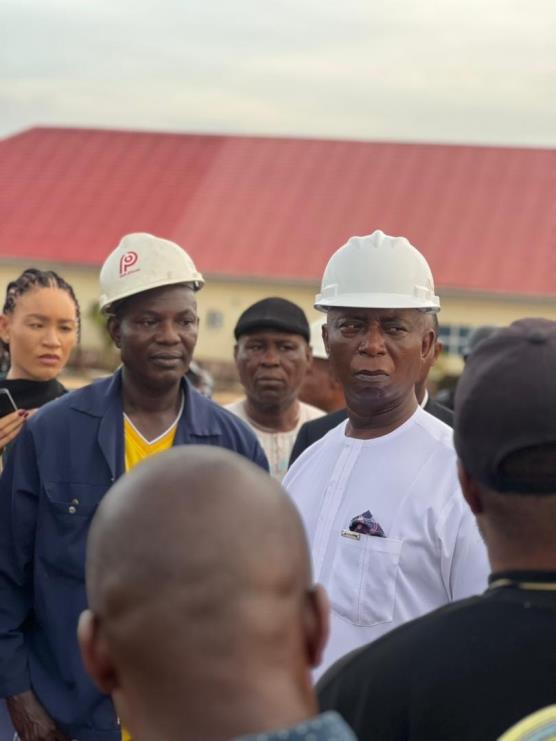
Senator Prince Ned Munir Nwoko with team of Chorus Energy staff
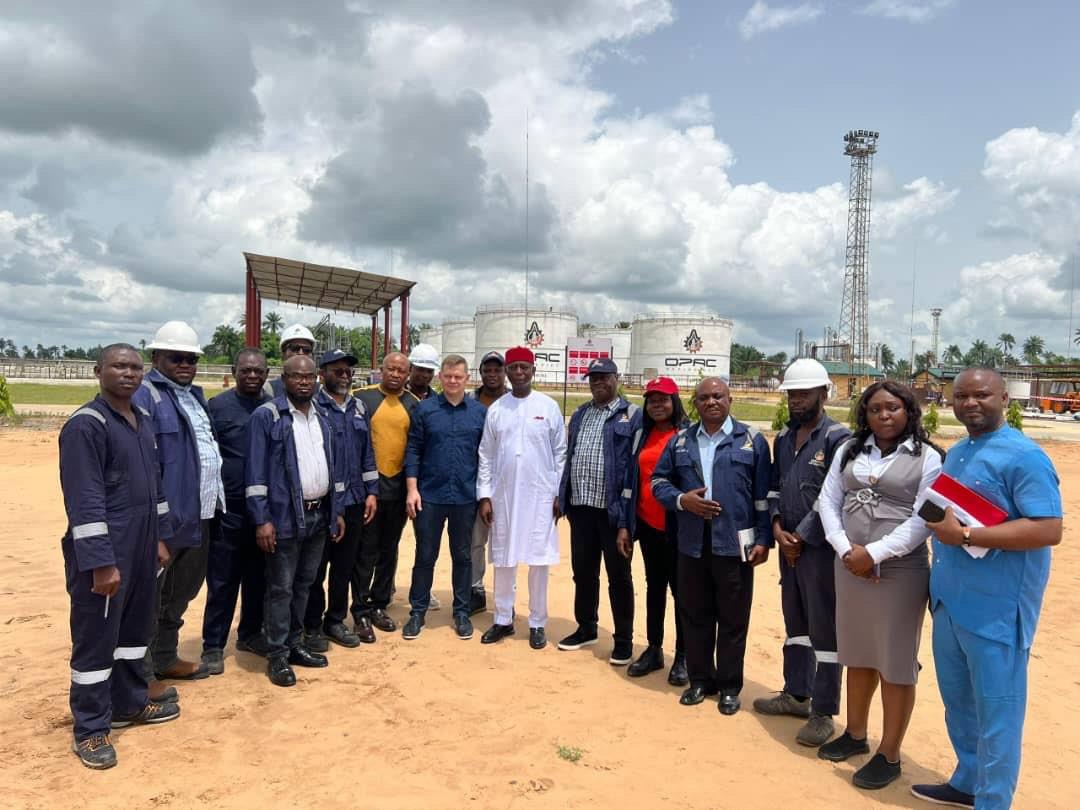
Senator Prince Ned Munir Nwoko’s familiarization visit to Chorus Energy OML 56— Ndokwa East LGA

Senator Prince Ned Munir Nwoko’s familiarization visit to Pan Ocean Oil Cooperation OML 147—Owa Alindima Flow station Ika North East LGA
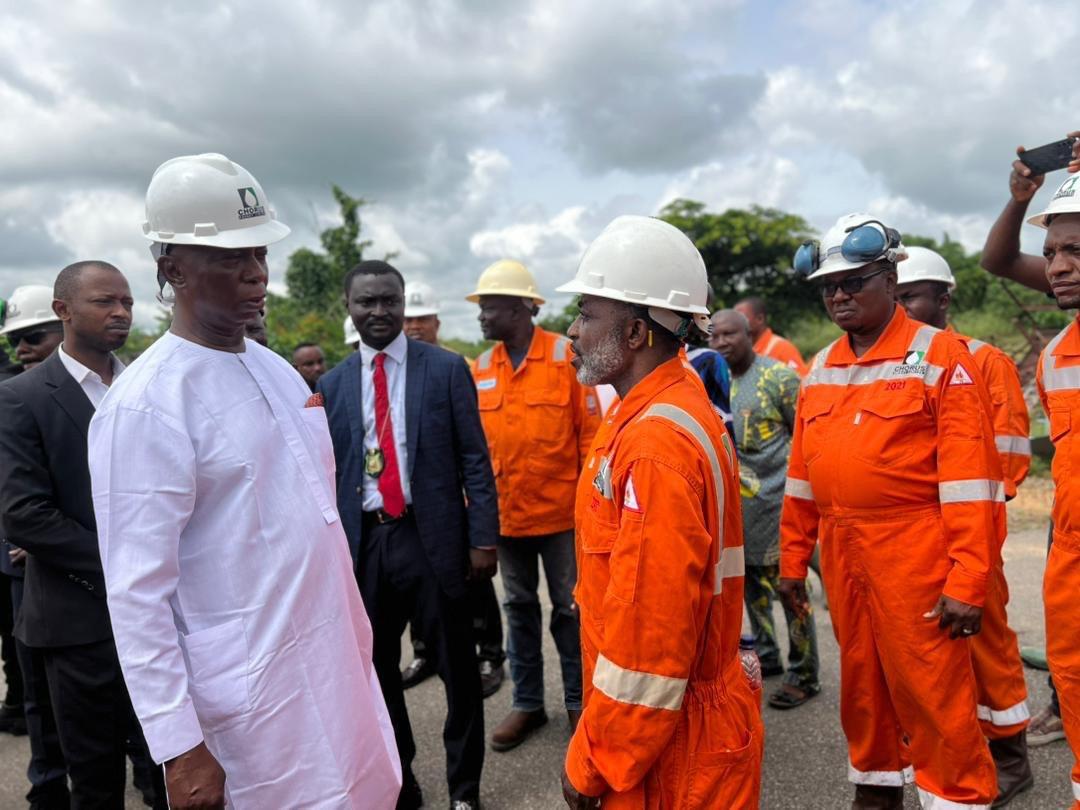
Senator Prince Ned Munir Nwoko’s familiarization visit to Pan Ocean Oil Cooperation OML 147— Owa Alindima Flow station Ika North East LGA— Addressing staff.
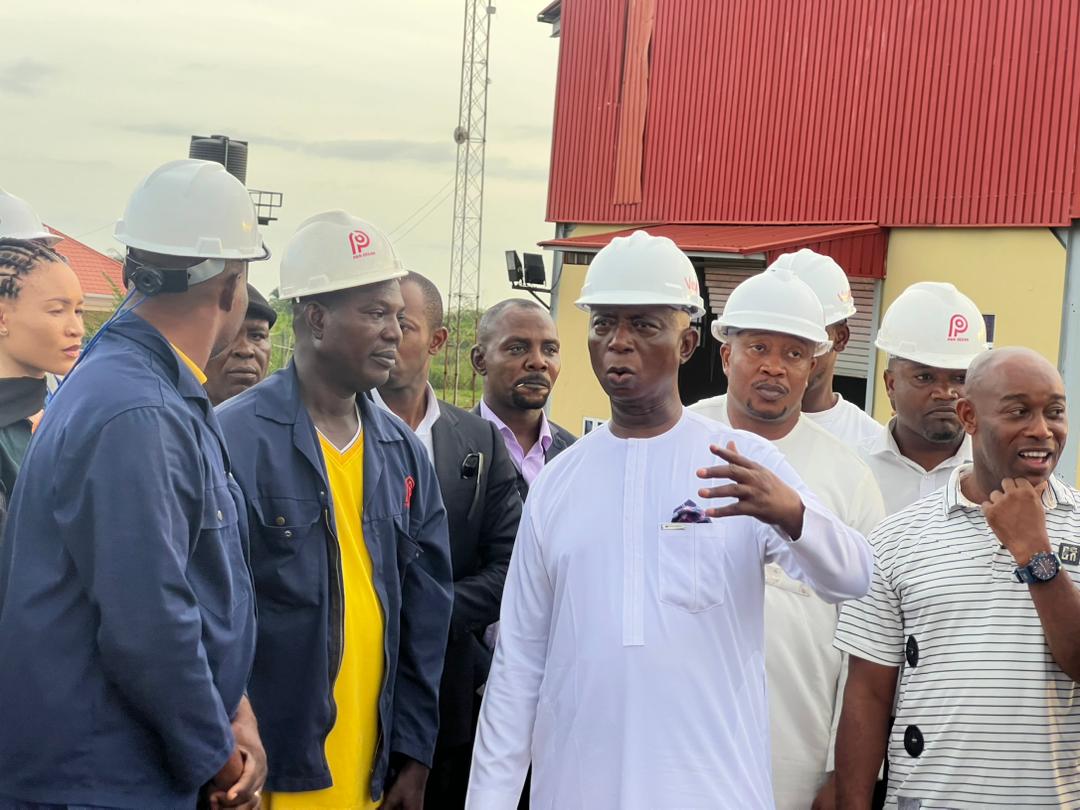
Senator Prince Ned Munir Nwoko’s familiarization visit to Pan Ocean Oil Cooperation OML 147— Owa Alindima Flow station Ika North East LGA.