Anioma is a land of history, hospitality, and heritage. A region that combines natural beauty with rich cultural expressions to form a compelling destination for tourism and cultural experience. Strategically located along the banks of the River Niger and intersecting ancient trade routes, Anioma offers a blend of eco-tourism, historical monuments, festivals, traditional institutions, and modern recreational hubs that are already attracting local and international interest. With its riverine charm and urban ambiance, Asaba has become a hub for conferences, leisure, and cultural events.
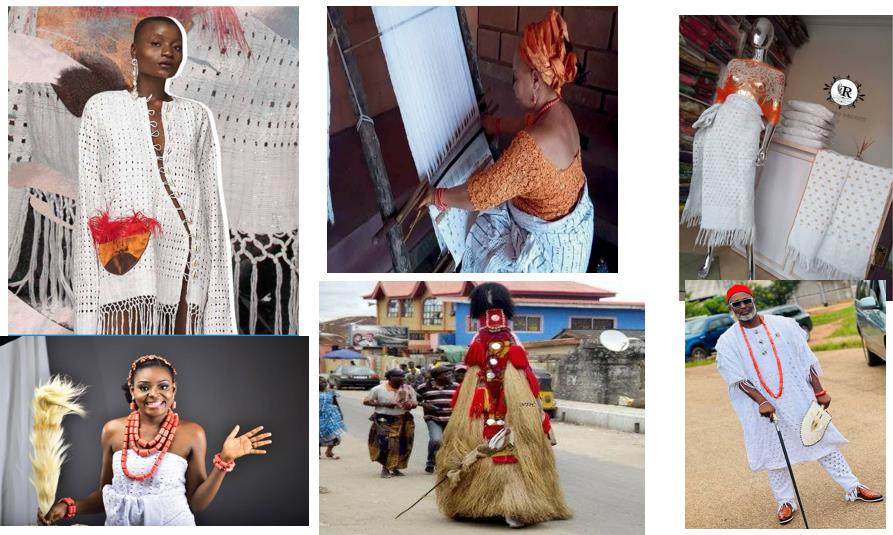
Cultural Festivals and Masquerade Displays in Anioma – Anioma land is alive with a rich calendar of festivals that draw visitors seeking authentic cultural experiences. Masquerade displays, especially in communities such as Onicha-Olona, Idumuje-Ugboko, Okpanam, Ogwashi-Uku, and Akwukwu-Igbo; are major attractions, showcasing brilliantly costumed dancers who embody ancestral spirits, perform acrobatics, and dramatize oral histories passed down for centuries. These displays often accompany major celebrations, reinforcing communal identity and entertaining large crowds. The annual New Yam Festival (Iwaji/Ifejioku), celebrated across Anioma towns including Asaba, Issele-Uku, Ibusa, and Ukwuani communities, is another cultural highlight. It marks the end of the farming season, featuring royal blessings, communal feasts, traditional dances, performances by cultural troupes, and colorful regalia. Other festivals, such as the Ogbanigbe Festival of Issele-Uku, Oli Mgbo celebrations in Ukwuani areas, and various Omu rites, also serve as cultural magnets, attracting tourists, scholars, and culture lovers who come to witness rituals that blend spirituality, history, and artistic expression.
The Art and Economy of Akwa Ocha Weaving – The traditional Akwa Ocha, the iconic white handwoven textile of the Anioma people, is both a cultural treasure and a creative economy. Produced in communities such as Okpanam, Asaba, Illah, Issele-Uku, and Akwukwu-Igbo, Akwa Ocha is woven on indigenous looms using cotton threads that form elegant white cloths adorned with symbolic motifs in gold, black, or red. The craft is prized for its purity, beauty, and spiritual significance, making it the preferred attire for ceremonies, coronations, weddings, and festivals. Today, Akwa Ocha weaving is experiencing renewed economic value: local cooperatives, women’s groups, and young designers are commercializing the cloth through boutiques, fashion shows, and international exports. The Akwa Ocha is fast entering into the contemporary fashion industry and pop culture. The rising demand for indigenous fashion, coupled with Anioma diaspora patronage, is turning Akwa Ocha into a vibrant creative industry that sustains families, preserves heritage, and contributes to tourism as visitors increasingly seek to observe or purchase the fabric from its authentic source.
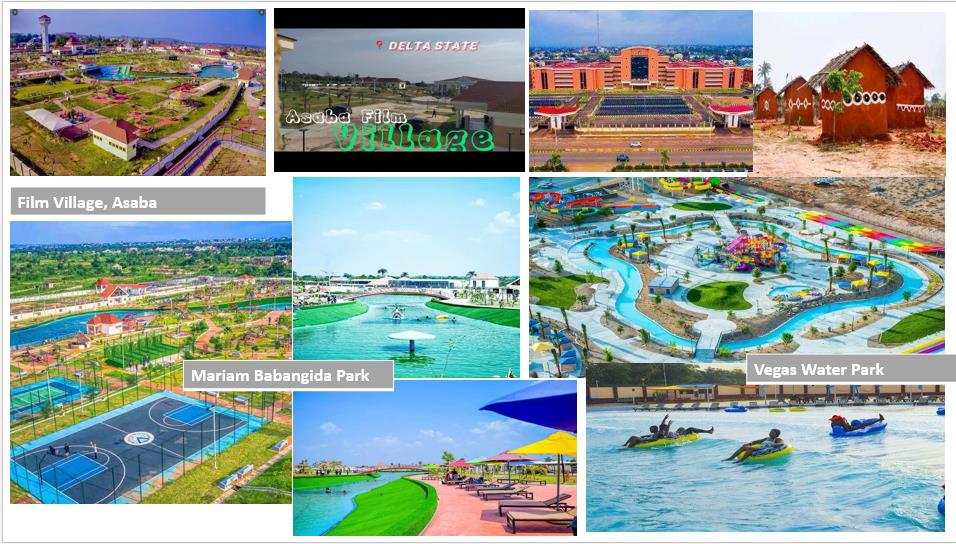
Mariam Babangida Leisure Park – This sprawling leisure complex is located on Anwai Asaba Road in Asaba, Delta State (near Dennis Osadebe University, Iyagba community). Named in honour of Maryam Babangida, the park includes a world-class water park with slides, an artificial wave (wave pool), and paddle boating on a landscaped lake. There is also a zoo housing more than 50 species and over 70 individual animals. A prominent feature is the Sky Tower, a 10-storey lighthouse-type structure (about 36m tall) that offers panoramic views of the park and surrounding Asaba. The park also has go-karting, kayaking, and extensive outdoor games, making it a major recreational hub in Anioma.
Vegas Water Park – Vegas water park is a recreation center that has a wave pool and other fun facilities. It stands out as one of the largest artificial wave pools in the region, making it a “Vegas-style” attraction for water recreation in Anioma land. It is located at Agbor.
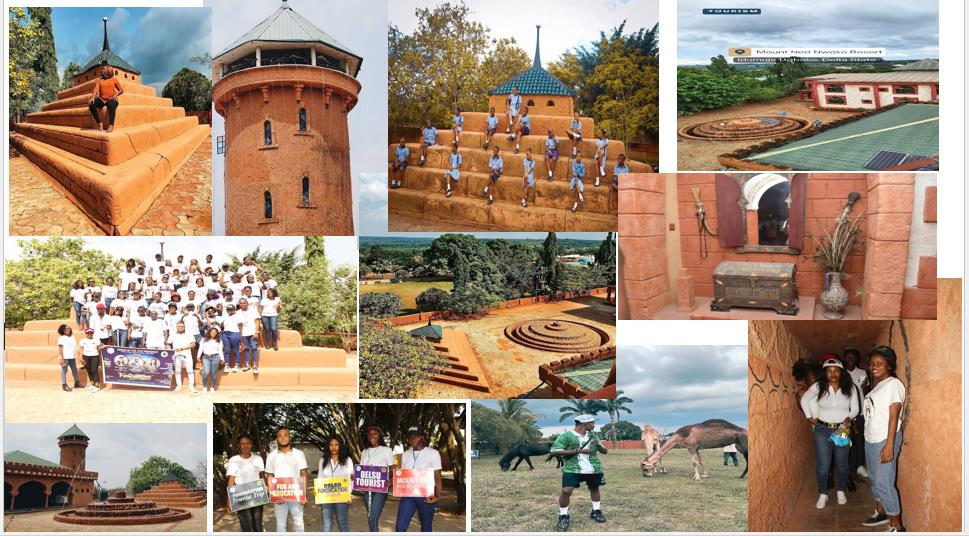
Mount Ned Resort (Idumuje-Ugboko) – Mount Ned, often referred to as the “Mount of Delta,” is located in Idumuje-Ugboko, in Aniocha North LGA. The resort is located on a hill. Sitting at about 1,000 feet (≈ 305 m) above sea level, this site gives visitors stunning views, often cloaked in morning mist, and a cool, temperate climate. The resort complex is owned by Senator Prince Ned Nwoko and built by Moroccan mason experts and architects. It has a 100-foot tall tower (five floors) that overlooks the hilltop, a zoo, fish ponds, tennis court, volleyball courts, a traditional water fountain. an Olympic standard swimming pool, and a nine-hole golf course. Below the surface, there are underground tunnels — a labyrinth of passageways said to allude to ancient royal escape routes. These tunnels, decorated with sculptures that reflect Anioma culture, serve as symbolic fortress retreat places for kings and the royal household during wars in ancient times. The vegetation around Mount Ned is lush and rare, with examples such as fig trees and other exotic plants. Mount Ned is a signature Anioma attraction; combining eco-tourism, royalty history, architecture, and recreation.
Film Village (Delta Film Village) – Part of the same leisure complex, the Delta Film Village (also called Asaba Film Village) is situated within the Mariam Babangida Leisure Park, on Anwai-Asaba Road. Commissioned in January 2023, by the Delta State Government, this facility is meant to support Nigeria’s creative industry including Nollywood, by providing sets, studios, and post-production space. Its presence underscores Anioma’s growing role in entertainment, film, and tourism all in one place.
Mungo Park House – Situated in Asaba, along Nnebisi Road, Mungo Park House is a significant colonial-era monument. Built in 1886 by the Royal Niger Company, this historic building served as the first colonial government headquarters in southern Nigeria. Today, it functions as a museum and educational site, preserving colonial architecture and history.
Otuogu Beach – The Otuogu Beach lies on the banks of the River Niger, in Asaba, Delta State. It offers sandy shores, calm river scenery, canoe and boat rides, and picnic spots. It is ideal for weekend relaxations, cultural events, or family outings.
River Ethiope (at Umuaja) – The River Ethiope originates from Umuaja, a community in Ukwuani LGA, Delta State. This river is famed for its crystal-clear water, reputed depth, and ecological beauty. The source springs from the root of a massive silk-cotton (iroko) tree, and the area holds strong cultural significance, serving as a site for traditional worship and spiritual rituals by local communities. Recreationally, visitors can enjoy canoeing, fishing, swimming, and boating along its course.
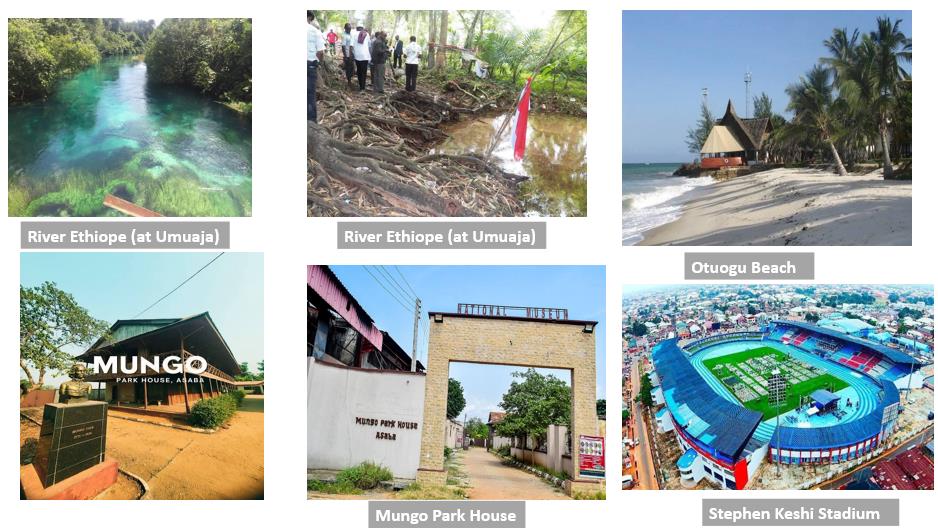
The Stephen Keshi International Stadium – The Stephen Keshi Stadium in Asaba, Oshimili South, is a multi-purpose venue capable of accommodating approximately 22,000 spectators. It hosts international, national and local football matches, athletic events, and other regional sporting activities, positioning it as the flagship facility of Anioma. It offers avenues for sports tourism, drawing athletes and fans across Nigeria. These sites are not only for leisure but also carry economic potential for tourism, jobs, creative industry, conservation, and culture in Anioma.