
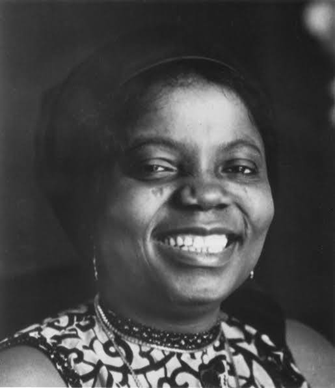
Florence Onyebuchi “Buchi” Emecheta (July 21, 1944 – January 25, 2017) was a Nigerian-born British novelist, academic, and feminist icon, celebrated globally for her pioneering works on gender, migration, motherhood, and the struggles of African women. She hailed from Ibusa in Oshimili North Local Government Area of the Anioma region. Her life and work embodied the enduring strength and resilience of Anioma women; women who, despite social and structural barriers, refuse to be silenced. Buchi Emecheta’s early life was marked by hardship and perseverance. After losing her father at a young age, she won a scholarship to attend the prestigious Methodist Girls’ High School in Lagos. She later married at the age of 16 and relocated to London with her husband. Her marriage, however, became abusive, and she faced immense challenges as a young mother of five in a foreign country. Refusing to be defeated by her circumstances, Emecheta pursued education while working to support her family. She earned a Bachelor’s degree in Sociology from the University of London, setting the stage for her literary journey. Her writing career blossomed out of personal experience — transforming pain into art and struggle into strength. Her debut novel, “In the Ditch” (1972), chronicled her life as a single mother navigating poverty and racism in London. This was followed by “Second-Class Citizen” (1974), which remains one of her most famous works, vividly portraying the double discrimination faced by black immigrant women. Over her career, Buchi Emecheta wrote more than 20 books, including “The Joys of Motherhood” (1979), “The Bride Price” (1976), “The Slave Girl” (1977), and “Destination Biafra” (1982). Through these works, she examined themes of womanhood, colonialism, education, and independence. Her narratives gave voice to the African woman’s experience, challenging patriarchal traditions and Western stereotypes alike. Emecheta described herself not as a “feminist,” but as “a woman who brings out the African woman’s experience.” Nonetheless, her works have been widely recognized as feminist literature that paved the way for later generations of African women writers, including Chimamanda Ngozi Adichie and Tsitsi Dangarembga. Throughout her life, Buchi Emecheta lectured at universities across the UK, the U.S., and Nigeria. She was appointed a Member of the Order of the British Empire (MBE) in 2005 for her contributions to literature. Her books continue to be studied in universities around the world, inspiring millions through their honesty and humanity. She passed away in London on January 25, 2017, leaving behind a rich literary legacy. In death, as in life, Buchi Emecheta remains a beacon of intellectual courage; an Anioma daughter who rose from obscurity to global recognition, using her pen to illuminate the lived realities of African women and to celebrate their endurance, intelligence, and dignity..
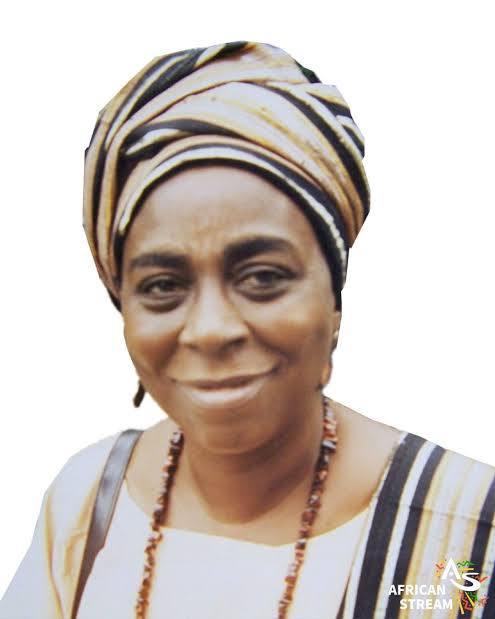
Professor Zulu Sofola (Nwazuluwa Onuekwuke) was born in 1935 and hailed from Ogwashi-Uku in Aniocha South in the Anioma region. She holds the distinction of being the first published female Nigerian playwright and dramatist and the first female Professor of Theater Arts in Africa, breaking barriers in a field traditionally dominated by men and setting the stage for generations of African women in the arts. Sofola’s academic journey began in Nigeria and continued in the United Kingdom, where she earned degrees in Theater Arts and Dramatic Studies, including advanced studies at the University of London. Her academic and creative training equipped her with the tools to craft plays that blend African cultural heritage, folklore, social commentary, and psychological exploration, often highlighting the tensions between tradition and modernity. Her body of work, including notable plays such as “Wedlock of the Gods”, “The Sweet Trap”, and “King Emene: Tragedy of a Rebellion”, is celebrated for its rich characterization, thematic depth, and exploration of gender, power, and societal expectations. Through her writing, Sofola illuminated the complexities of African societies, particularly the experiences and struggles of women, earning international recognition and acclaim. In addition to her creative achievements, Sofola was a pioneering academic and mentor. As the first female professor of Theater Arts in Africa, she trained and inspired countless students, fostering excellence in Nigerian theater, drama, and performance studies. She served as a thought leader, advocating for the integration of African cultural narratives into modern theater and emphasizing the importance of the arts in education and national development. Zulu Sofola’s legacy transcends her plays and academic accolades; she remains a symbol of intellectual rigor, creativity, and female empowerment in Africa. Her contributions continue to inspire playwrights, scholars, and artists, reflecting the rich cultural heritage and intellectual excellence of the Anioma people. She died in 1995.
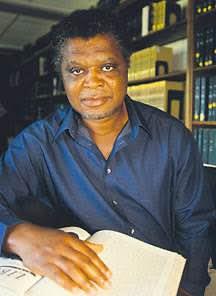
Don C. Ohadike, born October 4, 1941, hails from the Anioma region of Delta State, Nigeria, and is a distinguished historian, scholar, and academic whose research has been instrumental in documenting and analyzing the history, culture, and social structures of the Anioma and wider Igbo-speaking peoples of Nigeria in an international scale. He is considered the best and most productive African history scholar of his generation. Ohadike’s scholarship is widely recognized for its depth, rigor, and commitment to preserving the historical narratives of the Anioma people. His most notable work, “Anioma: A Social History of the Western Igbo People”, provides a comprehensive exploration of the region’s political structures, cultural traditions, economic systems, and social organization, establishing a solid academic foundation for understanding Anioma identity and history. In addition to his publications, Ohadike has contributed to the study of Igbo history and African studies globally, mentoring students, guiding research projects, and participating in conferences and symposia that advance knowledge of African societies. His work has helped contextualize the Anioma people within the broader Nigerian and West African historical landscape, highlighting the region’s contributions to national development, culture, and governance. As a scholar, educator, and historian, Don C. Ohadike has strengthened the intellectual profile of Anioma, ensuring that the region’s history, culture, and social achievements are recognized, studied, and preserved for future generations. His legacy continues to inspire academics, researchers, and the Anioma community to engage with their heritage and uphold their rich cultural identity.