
Stella Damasus is a celebrated Nigerian actress, singer, producer, and women’s rights advocate, born on April 24, 1978, in Asaba, Anioma. Stella made her acting debut in the 1992 film Abused, but she gained national fame with her role in Breaking Point. Over the years, she has starred in more than 70 Nollywood films, including Dangerous Twins, Emotional Pain, Games Women Play, Real Love, and Widow. Her performances are known for emotional depth, authenticity, and strong feminist undertones that mirror the resilience of Anioma women. She was nominated for Best Actress in a Leading Role at the Africa Movie Academy Awards in 2009. She won the Award for Best Actress at the Nigeria Entertainment Awards in 2007. In 2012 she won the award for Best Actress for the movie Two Brides and a Baby at the Golden Icons Academy Awards in Houston, Texas.
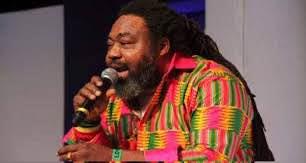
Ras Kimono, born Oseloke Augustine Onwubuya on June 9, 1958, hailed from Onicha Olona in the Anioma region. He was a pioneering Nigerian reggae musician whose music combined infectious rhythms with socially conscious lyrics, establishing him as one of the most influential figures in Nigeria’s reggae scene. Ras Kimono rose to national prominence in the late 1980s with his debut album, “Under Pressure”, which included hits that tackled social injustice, corruption, and the struggles of ordinary Nigerians. Known for his distinctive voice, powerful delivery, and compelling stage presence, Kimono used reggae as a medium to educate, inspire, and advocate for societal change, reflecting the Anioma values of civic engagement and community consciousness. Over the course of his career, Kimono released several albums and became a symbol of musical activism, addressing issues such as governance, inequality, and youth empowerment. Ras Kimono passed away on June 10, 2018, leaving behind a lasting legacy in Nigerian music and culture.
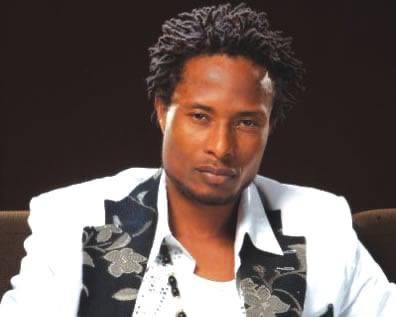
Chibuzor Oji, popularly known by his stage name Faze Alone, is one of Nigeria’s most respected music icons and a proud son of Anioma, from Okposi, Ndokwa East LGA. Faze rose to national prominence as a member of the legendary R&B group Plantashun Boiz, alongside 2Baba (formerly 2Face Idibia) and Blackface. The group, which dominated the Nigerian music scene in the late 1990s and early 2000s, became a cornerstone of the country’s modern pop and R&B evolution. After the group’s temporary split, Faze launched a successful solo career that established him as one of Nigeria’s most vocally gifted performers. His debut album, Faze Alone (2004), sold hundreds of thousands of copies, earning him multiple awards and recognition for his soulful voice and conscious lyrics. The album featured hits like “Kolomental” and “Need Somebody,” both of which became national anthems. Faze is renowned for his impressive vocal range — able to hit as many as three octaves — and for infusing Afro-R&B with heartfelt themes of love, hope, and unity.

Samsong, born Samson Uche Mogekwu in Asaba, Delta State, is one of Nigeria’s most celebrated contemporary gospel artists and a proud son of Anioma. Renowned for his soulful voice and uplifting lyrics, Samsong has spent over two decades using music as a tool for spiritual inspiration, national unity, and social change. His passion for music led him into the gospel scene, where he quickly rose to prominence after releasing his debut album Count Your Blessings in the late 1990s. The album’s success established him as a leading figure in urban gospel music, known for fusing Afrocentric rhythms with soul and R&B influences. Some of his most popular songs include Bianule, You Are Worthy, Turn Me Around, Capable God, and Idinma. Through these hits, Samsong has built a strong fanbase across Africa and beyond, spreading a message of hope and faith deeply rooted in Anioma’s Christian and humanistic values. Over the years, Samsong has collaborated with several top Nigerian and international artists and has shared stages with gospel icons like Donnie McClurkin, Marvin Winans, Panam Percy Paul, Donell Jones, Kenny Latimore, 112, TuFace, D’Banj, Faze, and Styl Plus. He has received numerous awards, including The Psalmist Award (2000), Best Male Vocalist at the Christian Music Awards, and multiple nominations at the Nigeria Music Awards and African Gospel Awards.
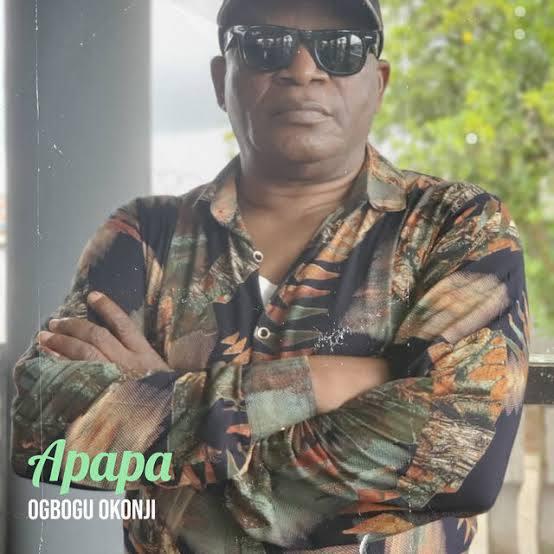
Ogbogu Okonji, popularly known as The Gentlemen of Ibusa, is a legendary highlife musician, composer, and cultural custodian from Ibusa (Igbuzo) in the Anioma region of Delta State. He is widely celebrated for his deep-rooted contributions to Anioma traditional highlife music, his mastery of the Anioma dialects, and his decades-long dedication to preserving the musical and linguistic heritage of the Western Igbo (Anioma) people. His signature style blends native Anioma rhythms, storytelling, moral philosophy, and highlife instrumentation. Through his music, Ogbogu has documented the customs, proverbs, and political consciousness of Anioma society, making him not only an entertainer but also a cultural historian and oral archivist. Among his many popular tracks are Anioma Onye Oma, Ibusa Eje Ana, Omo Ika, and Okonji Special, which have become anthems of Anioma identity at cultural festivals, community gatherings, and social events.
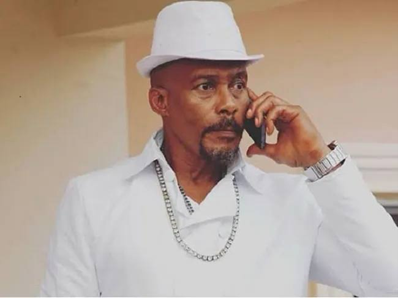
Hanks Anuku, a native of Ika, is a celebrated Nigerian actor known for his versatility and memorable roles in Nollywood films. Anuku has contributed significantly to the Nigerian film industry, bringing Anioma talent to national and international recognition. Hanks Anuku began his acting career in the early 1990s and quickly became known for portraying powerful, intense, and often villainous characters, showcasing his range and depth as an actor. His performances have left lasting impressions on audiences, earning him recognition as one of Nollywood’s most reliable character actors. Beyond acting, Anuku has contributed to the growth of Nollywood by mentoring young actors and advocating for professionalism within the industry. Hanks Anuku continues to work in film and television, representing Anioma talent on the national stage, inspiring young actors, and contributing to the cultural richness of Nigeria’s entertainment sector.
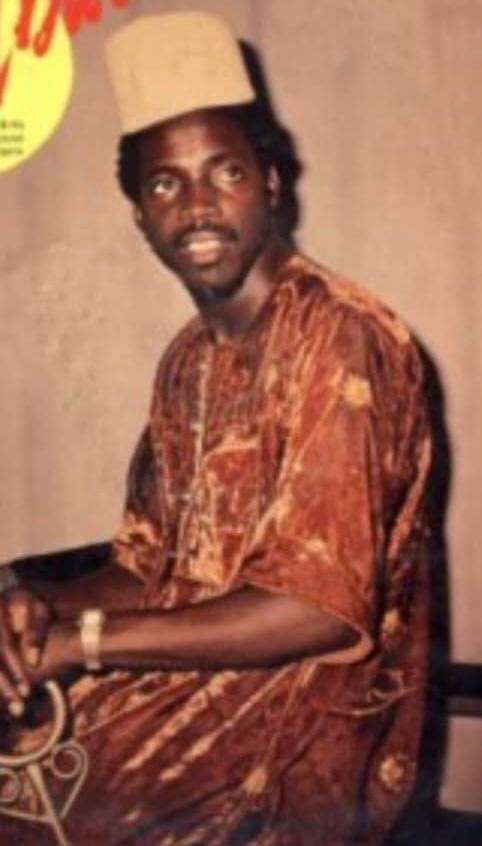
Augustine Ojinji, fondly known by his stage name King Love A.U or Ubulu, was a revered pioneer and icon of Ukwuani Highlife and Afrobeat music. A proud son of Amorji Onitcha Ukwuani in Ndokwa West Local Government Area of Delta State, King Love A.U rose to prominence through his exceptional talent and ability to blend traditional Ukwuani sounds with contemporary Highlife and Afrobeat. Through his art, he gave expression to the everyday realities of life in Anioma land, using music as a mirror to society and as a unifying force for his community. King Love’s songs were rich in cultural consciousness, moral teachings, and storytelling, making him both an entertainer and an educator. His artistry embodied the heartbeat of Anioma culture and earned him a timeless place among the legendary voices of Delta North and the wider Igbo speaking world. Some of his popular albums include Bini Chukwu, Anigabor Special, Ngbele-Som Ngbele, Ebele, Bia Ka-Anyi Dozie, Anyi Bu Ofu, Ofe Nwata, and Uche. King Love’s album became a cultural emblem, often played at festivals, weddings, and community celebrations across Anioma land.