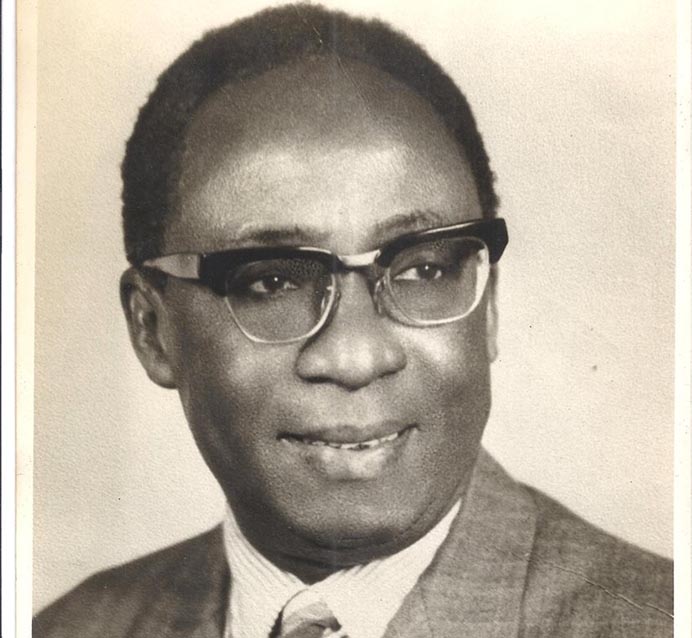
Chief Dennis Osadebey, born in the mid-20th century, in Ozalla, Aniocha North Local Government Area, Delta State, was the first and only Premier of the Mid-Western Region, which combined Delta and Edo States of Nigeria. Educated in Nigeria, Osadebey developed a passion for literature, journalism, and public service early in life. His eloquence, analytical mind, and creative writing skills established him as a respected journalist and poet, using the written word to champion civic engagement, social justice, and regional development. Through his publications and writings, he articulated the aspirations of the Anioma people and brought national attention to the political and cultural needs of the Mid-Western Region. Osadebey’s political career was marked by groundbreaking achievements. His leadership emphasized regional development, education, and economic modernization, reflecting his deep commitment to the welfare of his constituents. Beyond governance, Osadebey was a pioneer in the movement for Anioma State creation. He coined the name “Anioma”; an acronym representing the people of Aniocha, Ndokwa, Ika, and Oshimili; as a unifying identity for the region. His advocacy laid the intellectual and political groundwork for subsequent calls for a separate Anioma State. Osadebey was also the second Senate President of Nigeria and served from 1960 to 1963, during Nigeria’s first republic. In addition to his political and advocacy work, Osadebey was an intellectual and cultural figure. He leveraged poetry, journalism, and public discourse to celebrate Anioma heritage, articulate visions for development, and challenge inequities. His writings remain a touchstone for understanding the early political consciousness of the Anioma people and their quest for recognition within Nigeria’s federal structure. Chief Dennis Osadebey’s legacy is immense. Decades after, Osadebey is celebrated as the father of Anioma state consciousness, a figure whose intellect, courage, and vision helped define the modern identity of the Anioma people. His life exemplifies the Anioma values of leadership, creativity, and unwavering commitment to the community.
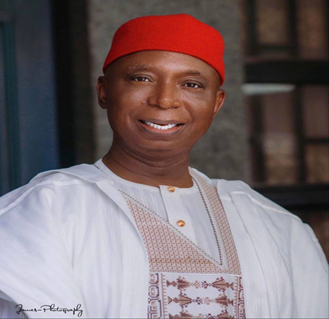
Distinguished Senator Ned Munir Nwoko, born in December 1960 into the royal family of Idumuje-Ugboko, in Aniocha North Local Government Area, Delta State, is a distinguished Nigerian lawyer, politician, entrepreneur, and philanthropist. He is the Senator Representing Delta North at the 10th National Assembly (2023). He proposed the Anioma State Creation Bill 481 that marshalled over 85 signatures in the senate. As a proud son of the Anioma region, Nwoko’s life and career reflect vision, innovation, and a deep commitment to national development, education, heritage, and youth empowerment. Nwoko’s academic journey started in the United Kingdom, where he earned a Bachelor of Arts (Hons) in Law and History from the University of Keele and a Master of Laws (LL.M.) in Maritime and Commercial Law from King’s College, London. He was called to the English Bar at Lincoln’s Inn and later became a Solicitor of the Supreme Court of England & Wales. His legal career included founding Ned Nwoko & Co Solicitors in London, which earned him the accolade of “Best Black Lawyer of African Descent in England” (1995). In 1999, Nwoko entered Nigeria’s political arena as a Member of the House of Representatives, representing the Aniocha/Oshimili Federal Constituency, before rising to his current position as the Distinguished Senator representing Delta North Senatorial District in the 10th Senate (2023). Over the years, he has chaired key Senate committees, including the Committee on Reparations & Repatriation and an ad-hoc committee investigating crude oil theft in the Niger Delta. His legislative achievements include championing over 30 bills and more than 20 motions addressing youth entrepreneurship, environmental protection, diaspora voting, resource governance, constitutional reform, and community health. Nwoko’s legal and policy expertise has also had a profound impact on Nigeria’s fiscal accountability. He spearheaded investigations into the London and Paris Club loans for Nigeria and 774 Local Government Councils, resulting in a landmark court judgment of US$3.2 billion, and recovered over US$18 billion for Nigerian states, marking one of the most significant financial recoveries in Nigerian history. Beyond law and politics, Nwoko is a visionary entrepreneur and cultural advocate. He is the founder and visionary behind Mount Ned Heritage Resort, a world-class historical and cultural destination promoting African heritage and tourism. He also initiated the Antarctic Expedition in January 2020 as part of his Malaria Eradication Project, becoming the first black African to visit the South Pole, merging adventure with global advocacy. Nwoko is committed to education, founding the Sports University, Idumuje Ugboko, the first and only Sports University in West Africa, which integrates academics, athletics, and entrepreneurship. Through the Prince Ned Nwoko Foundation, he has funded scholarships for over 1,000 students, supported long-term education for indigent university students, and financed major infrastructure projects, including the reconstruction of the Idumuje-Ugboko Onicha Ugbo road, connecting South-South and South-East regions. As a philanthropist, entrepreneur, and legislator, Nwoko has received numerous international and national awards for his contributions to law, education, youth development, sports, humanitarianism, and tourism, including The Heroes of Democracy Award for ‘Best Performing Senator’ (2025). He is also a passionate advocate for Anioma state creation (Bill 481) and a proponent of Igbo unity. Personally, he is a vegetarian, practicing Muslim, non-drinker, and non-smoker — demonstrating discipline and ethical living in all spheres of life. Senator Ned Nwoko embodies the spirit of Anioma: visionary leadership, commitment to heritage, and transformative impact. His multifaceted career continues to inspire Nigerians and the global community, proving that ambition, intellect, and service can leave a lasting legacy.
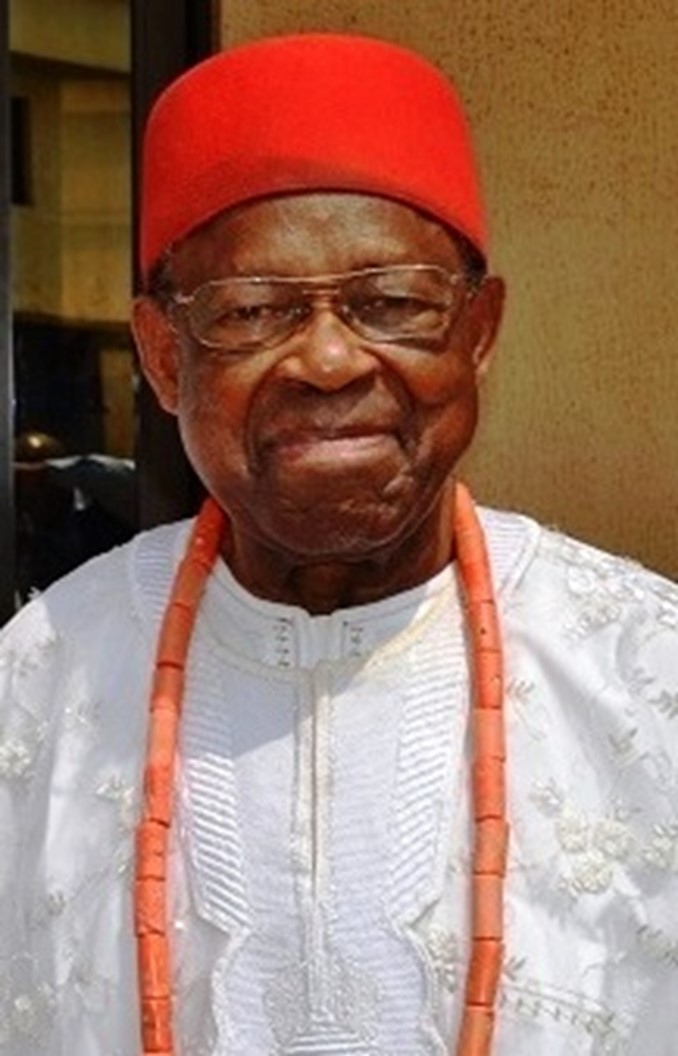
His Royal Majesty Professor Joseph Chike Edozien, the 13th Asagba of Asaba, is a distinguished scholar, medical scientist, and traditional ruler whose life bridges academia, public service, and cultural preservation. Born on July 28, 1925, in Asaba, Delta State, he embodies the intellectual and cultural heritage of the Anioma people. Before ascending the throne, Prof. Edozien had an illustrious academic career. He studied at University College Dublin, Ireland, where he earned degrees in Medicine and Science, later obtaining a PhD in Physiology and Nutrition. He served as a Professor of Biochemistry at the University of Ibadan and became the first indigenous Dean of the Faculty of Medicine. His academic influence extended beyond Nigeria, as he also worked as a researcher and lecturer in leading institutions in the United States, including the University of North Carolina. Prof. Edozien’s scientific research, particularly in the fields of human nutrition and biochemistry, has been internationally recognized. He was a consultant to the World Health Organization (WHO) and contributed significantly to nutritional health policies in Africa. In 1991, he was installed as the Asagba of Asaba, where he has since become a unifying symbol of Anioma cultural identity and leadership. Under his reign, Asaba has experienced modernization while maintaining its traditional heritage. He has been instrumental in advocating for Anioma unity, peace, and development, and is one of the leading voices supporting the creation of Anioma State. As a monarch, Prof. Edozien has worked to preserve the Asaba language, festivals, and traditional governance structures, while also encouraging education and youth development. His reign represents the fusion of scholarship and royalty — intellect and heritage in one dignified f igure. Prof. Edozien has received numerous honors, including national recognition for his academic and humanitarian contributions. He remains a living testament to Anioma excellence, wisdom, and leadership — an elder statesman whose life story bridges the golden age of Nigerian academia and the enduring cultural sovereignty of the Anioma people.
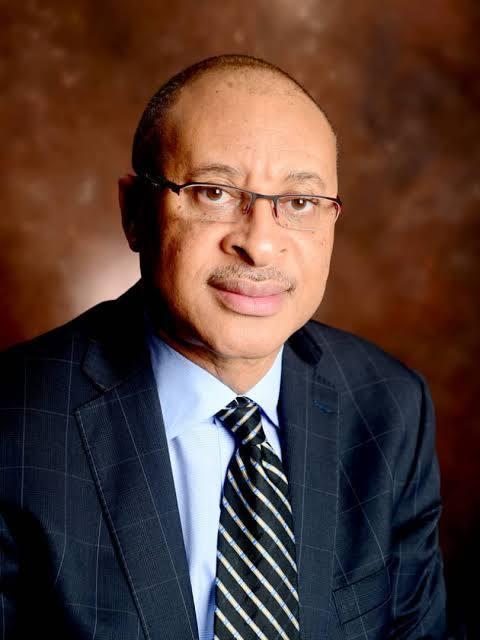
Professor Patrick Okedinachi Utomi, born on March 7, 1956, hails from Ibusa in the Anioma region. He is a distinguished political economist, professor, entrepreneur, and public policy expert, widely regarded as one of Nigeria’s foremost intellectuals and thought leaders. He is the co founder of Lagos Business School now Pan-Atlantic University. Utomi’s career reflects the Anioma values of intellect, integrity, and national service, combining rigorous scholarship with active engagement in Nigeria’s socio-political development. Utomi’s academic journey is marked by excellence. He earned a Bachelor’s degree in Political Science from the University of Nigeria, Nsukka, before proceeding to the University of California, Los Angeles (UCLA), where he obtained his PhD in Political Economy and International Relations. His scholarly work has focused on governance, economic development, democracy, and leadership in Africa. Over the years, Professor Utomi has held numerous influential positions in government, academia, and the private sector. He served as Special Adviser on Policy and Strategy to President Olusegun Obasanjo, where he played a key role in shaping national economic and governance reforms. As a professor, he has taught and mentored thousands of students, nurturing a generation of Nigerian leaders and policymakers. In addition to his academic and advisory roles, Utomi is a prolific public intellectual and commentator, contributing to national discourse on democracy, economic policy, and leadership through media, lectures, and conferences. He is also the founder of the Centre for Values in Leadership, a think tank dedicated to promoting ethical governance and principled leadership in Africa. Professor Utomi has actively participated in Nigeria’s political landscape. He has contested in presidential elections, advocating for democratic reforms, transparency, and social justice. Through his public engagement, he has consistently championed the principles of accountable governance and citizen empowerment, reflecting the Anioma ethos of service and responsibility. Beyond politics and academia, Utomi is an entrepreneur, founding and advising several private enterprises, particularly in consultancy and leadership development. He remains deeply committed to youth mentorship, civic education, and capacity-building initiatives across Nigeria and Africa.
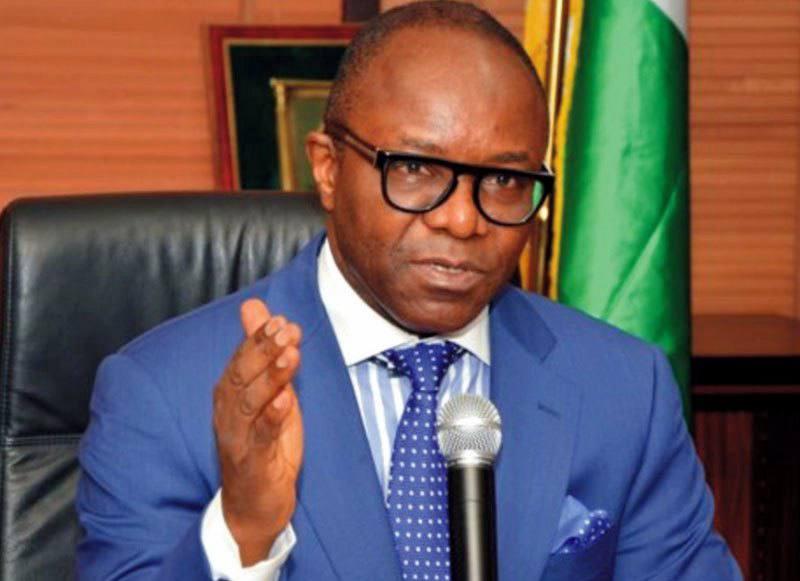
Emmanuel Ibe Kachikwu, born on July 21, 1960, is a distinguished Nigerian lawyer, petroleum executive, and public administrator, hailing from Ogwashi-Uku in Aniocha South Local Government Area of the Anioma region. Kachikwu has played a critical role in Nigeria’s oil and gas sector, contributing significantly to policy, governance, and institutional reforms. His career reflects the Anioma values of professionalism, intellectual rigor, and service to the nation. Kachikwu’s academic journey began with a Bachelor’s degree in Law from the University of Nigeria, Nsukka, followed by his Call to the Nigerian Bar. He also earned a Master’s degree in Law (LL.M.) from Harvard Law School, complementing his legal expertise with a global perspective on governance, corporate law, and energy policy. Kachikwu began his professional career in legal practice and the petroleum sector, eventually joining Shell Petroleum Development Company, where he rose through the ranks to hold senior executive positions. His extensive experience in international law, corporate governance, and energy policy positioned him as a thought leader in the oil and gas industry. In 2015, he was appointed Group Managing Director of the Nigerian National Petroleum Corporation (NNPC) and concurrently served as Minister of State for Petroleum Resources. In this capacity, Kachikwu oversaw Nigeria’s oil policy, governance, and strategic initiatives to enhance transparency, efficiency, and investment in the sector. He is particularly noted for his reforms in NNPC’s operations, including corporate restructuring, improved transparency in oil revenues, and policies supporting local content and capacity development in Nigeria’s oil industry.
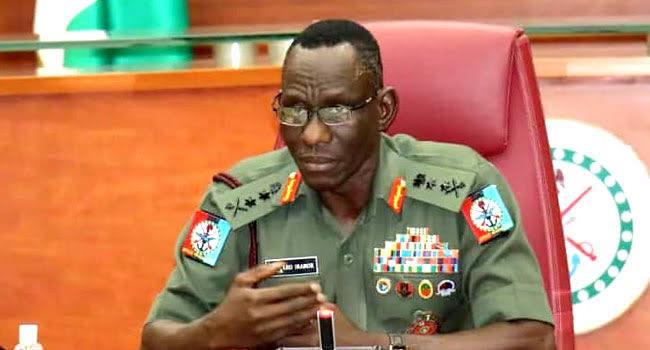
General Lucky Irabor, born October 1965, hails from the Ika parts of Anioma. He is a highly respected Nigerian military officer who rose through the ranks to become the Chief of Defence Staff of Nigeria, the highest-ranking military position in the country, overseeing the Army, Navy, and Air Force. He was appointed in January 2021 by President Muhammadu Buhari. He was the Commander of Operations Lafiya Dole from 2016 to 2017. Also was the Commander of the Multinational Joint Task Force from May 2017 to August 2018. In July 2019 he was the Commander of TRADOC. Irabor’s career in the Nigerian Armed Forces has been marked by dedication, strategic leadership, and operational excellence. He has held key command and staff positions across the Nigerian Army, demonstrating expertise in military strategy, logistics, and national security. His leadership has been pivotal in guiding the Nigerian military through complex security challenges, including counterinsurgency, peacekeeping, and defense reforms. He is a retired army general.
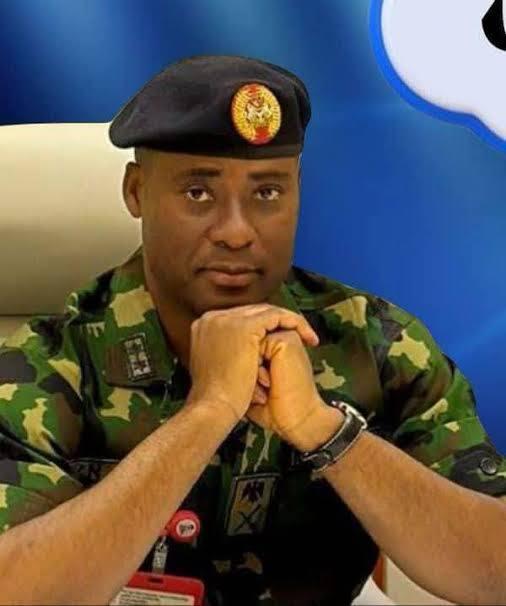
Major General Raymond Nkemakonam Ochei is a retired senior officer of the Nigerian Army and a proud son of Onicha-Olona, in the Aniocha North LGA of Anioma, Delta State. During his service, he rose through the ranks and held key administrative and financial roles. After his retirement, he has become a strong advocate for cultural preservation among the Anioma people: he hosted the Organization for the Advancement of Anioma Culture (OFAAC) at his home, calling for unity and renewed pride in Anioma heritage. He retired in 2025.
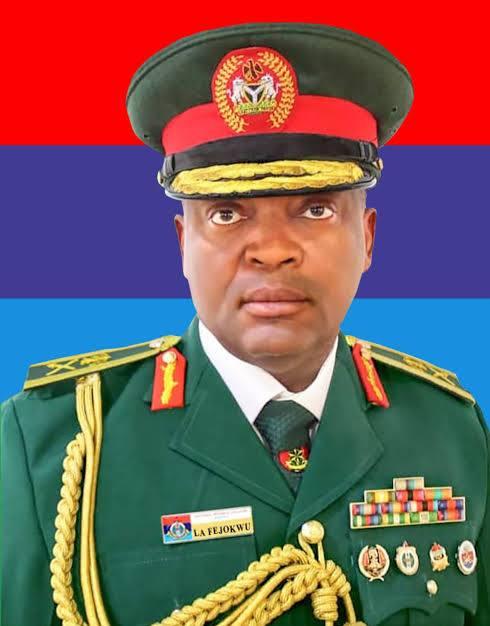
Major General Lawrence Ayaegbunem Fejokwu hails from Onicha-Ugbo, which is in the Aniocha North LGA of Anioma, Delta State. He was admitted into the Nigerian Defence Academy (39th Regular Course), and served as the Chief of Staff at Supreme Headquarters from 1983 to 1985. He also held various staff and command roles in the Nigerian Army over his distinguished career, including as General Officer Commanding (GOC) of the 81 Division. In January 2023, he was appointed Deputy Commandant / Director of Studies at the National Defence College, Abuja. He retired in 2025.
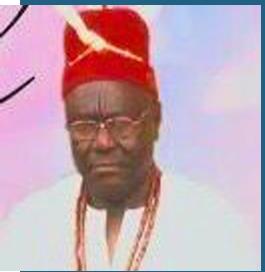
Senator Nosike Ikpo was a key pioneer of the Anioma state movement, serving as President of the Anioma State Movement during the Second Republic and helping lay the early political foundation for the push for Anioma State.
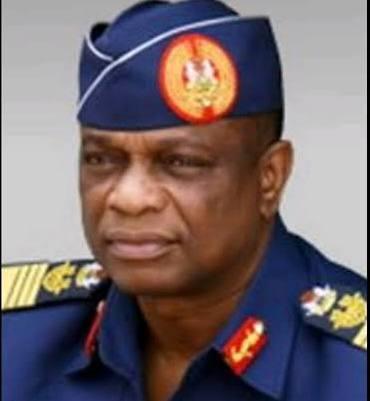
Air Marshal Paul Dike is a distinguished military leader from Issele-Uku in Aniocha North Local Government Area of Delta State, Nigeria. A highly respected figure in the Nigerian Armed Forces, he made history as the first officer from the Nigerian Air Force to serve as Chief of Defence Staff, the highest military appointment in the country. Air Marshal Dike had an illustrious military career marked by professionalism, strategic brilliance, and exceptional service. He trained as a pilot and rose through the ranks to hold several top-level command positions, including Chief of Air Staff before his elevation to Chief of Defence Staff. His tenure was notable for strengthening Nigeria’s defence architecture and enhancing inter-service cooperation among the Army, Navy, and Air Force. Air Marshal Paul Dike’s legacy continues to inspire younger generations committed to national service, leadership, and excellence.
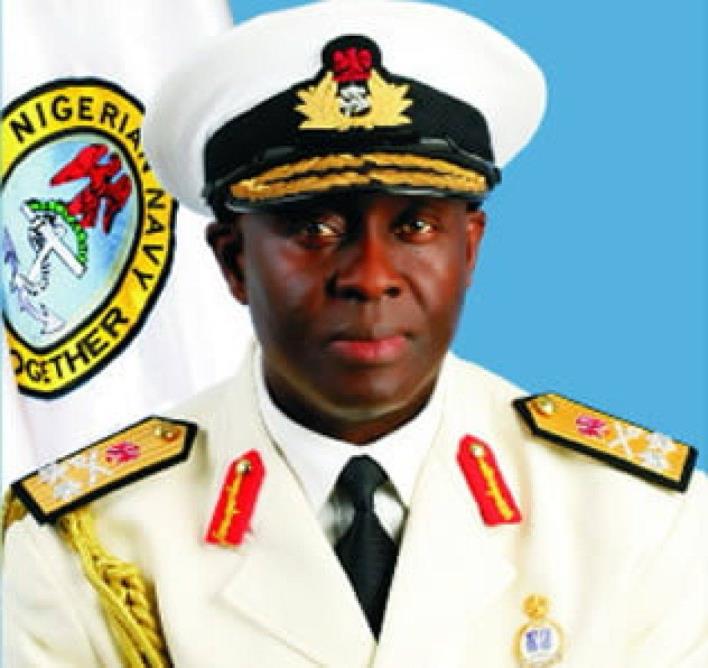
Vice Admiral Dele Joseph Ezeoba is a distinguished naval officer from Ibusa (Igbuzor) in Oshimili North Local Government Area of Delta State. A seasoned military professional, he served Nigeria at the highest levels, becoming the 20th Chief of Naval Staff in 2012, where he led major reforms to strengthen maritime security, improve fleet capacity, and enhance naval operational readiness. Educated at the Nigerian Defence Academy, he further undertook extensive professional and strategic trainings in naval warfare, maritime security, leadership, and defence management in several countries, including the United States, the United Kingdom, and India. One of his most notable legacies is his instrumental role in attracting the establishment of the Admiralty University of Nigeria (ADUN) to Ibusa—an institution founded through a partnership between the Nigerian Navy and international partners to advance maritime studies, security research, and global-standard education. This singular achievement has had a transformational impact on Anioma, positioning Ibusa as a growing hub for security-based education and development. Renowned for his discipline, strategic brilliance, and integrity, Vice Admiral Ezeoba is celebrated both nationally and internationally. His contributions to national security, maritime safety, and educational development make him one of Anioma’s respected figures.
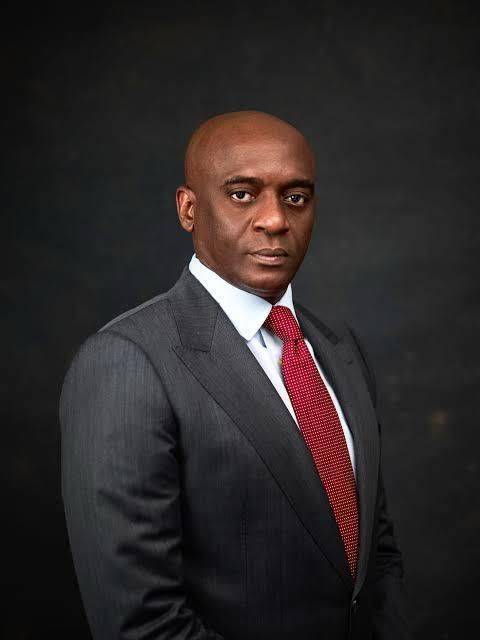
Chiedu John Ebie is from Agbor-Alidinma in Ika South Local Government Area. He earned his law degree (LL.B) from the University of Benin in 1991, was called to the Nigerian Bar in 1992, and subsequently obtained a postgraduate diploma in law from the University of London in 2012. He initially pursued a career in corporate and commercial law, working with major law firms and eventually becoming a partner at Okonjo, Odiawa & Ebie, and later at Punuka Attorneys & Solicitors. He also gained experience in banking and media as a legal officer and company secretary before transitioning to the oil and gas industry. Ebie became Managing Director and Chief Executive Officer of Millennium Oil & Gas Company Limited, an indigenous hydrocarbon exploration and production firm. Under his leadership, the company managed operations at the Oza marginal field in the Niger Delta, overseeing regulatory compliance and financing for development projects. He also leads Cranston Pitt Oil & Gas Consultancy, providing strategic guidance on energy and development projects. Ebie’s public service career began with his appointment as Commissioner for Basic and Secondary Education in Delta State from 2015 to 2019, where he implemented reforms aimed at improving infrastructure, teacher development, and curricula that celebrated the state’s linguistic and cultural diversity. In June 2019, he was sworn in as Secretary to the Delta State Government, coordinating state operations, supervising ministries and agencies, and chairing committees on issues including flood management and the COVID-19 response. In August 2023, Chiedu Ebie was appointed by President Bola Ahmed Tinubu as Chairman of the Governing Board of the Niger Delta Development Commission (NDDC), a federal agency responsible for facilitating development and infrastructure across the oil producing Niger Delta region. His appointment was particularly significant for the Anioma and Ika communities, as he brought a wealth of legal, corporate, and governance experience to the position, while representing the interests of his home region.
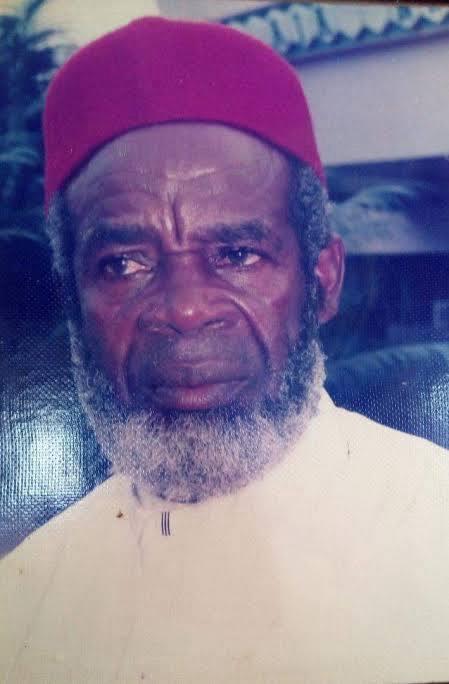
Dr. George Oka Orewa was born on December 25, 1927, in Agbor. He began his early education at Catholic schools in Agbor between 1934 and 1939, before continuing his primary education in Wani and Sapele, and later attending Abbots Institute in Sapele from 1942 to 1944. He pursued higher education at the University College of North Wales, Bangor, between 1953 and 1956, and later at the University of Ibadan from 1967 to 1971, earning advanced academic credentials, including a B.Sc, BA, MA, and Ph.D. Orewa’s professional career spanned both public service and private enterprise. Between 1951 and 1953, he worked as an assistant accountant at UTC Motors in Lagos, before joining the Western and Midwestern Nigerian Public Service as an Administrative Officer from 1956 to 1963. He continued serving in the Midwestern Region and Bendel State public service until 1979. During 1968 to 1971, while on secondment, he served as Head of the Public Administration Section of the United Nations Relief and Rehabilitation Administration (UNRRA) in Addis Ababa. Following his voluntary retirement in 1979, he became Managing Director of Crest Products Limited, applying his administrative and managerial expertise to the private sector. Beyond his formal professional roles, Dr. Orewa played a significant role in Anioma political activism. From 1980 to 1995, he served as Chairman of the Central Working Committee of the Anioma State Movement, which advocated for the creation of an independent Anioma State. His leadership in the movement underscored his commitment to regional identity, self determination, and political representation for the Anioma people. He also served as a consultant to local government bodies and contributed to reforms in local government finance, administration, and decentralization across Nigeria. Dr. Orewa received widespread recognition for his contributions to public service and community development. He was honored by Delta State for his contributions to health services in 1993, public service in 1995, and industrial development in 1997. He was awarded an honorary D.Litt by Delta State University in 1997 and received the national title of Order of the Federal Republic (OFR) in 2001 in recognition of his lifelong service to Nigeria. Dr. George Orewa is particularly notable for his dedication to the Anioma people and his pivotal role in promoting their political identity and governance. Through his decades of public service, leadership in the Anioma State Movement, and contributions to local government reform, he exemplifies the influence of Anioma leaders in shaping regional development and representing their communities on both national and local platforms.

Chief Benjamin Sunday Elue was born on June 6, 1940, in Obior, Aniocha North Local Government Area. He worked as a Marketing Research Executive with UAC Lagos from 1970 to 1975, and as a Management Consultant with the Bendel State NBC/Community body from 1970 to 1979. He also engaged in private enterprise, including clerking and candle manufacturing in his home community of Obior. His political career became most prominent when, on 29 May 1999, he was elected Deputy Governor of Delta State under the administration of James Onanefe Ibori. He served in that capacity until 29 May 2007. During and after his tenure, he was widely recognised as a devoted administrator and elder statesman. Beyond political office, Chief Elue has remained influential in communal and regional affairs. He continues to be regarded as a senior figure among Anioma leaders — someone whose life and career reflect commitment to education, community development, and cross-sectional unity. His significance in regional politics supported in promoting the Anioma people’s aspirations.